

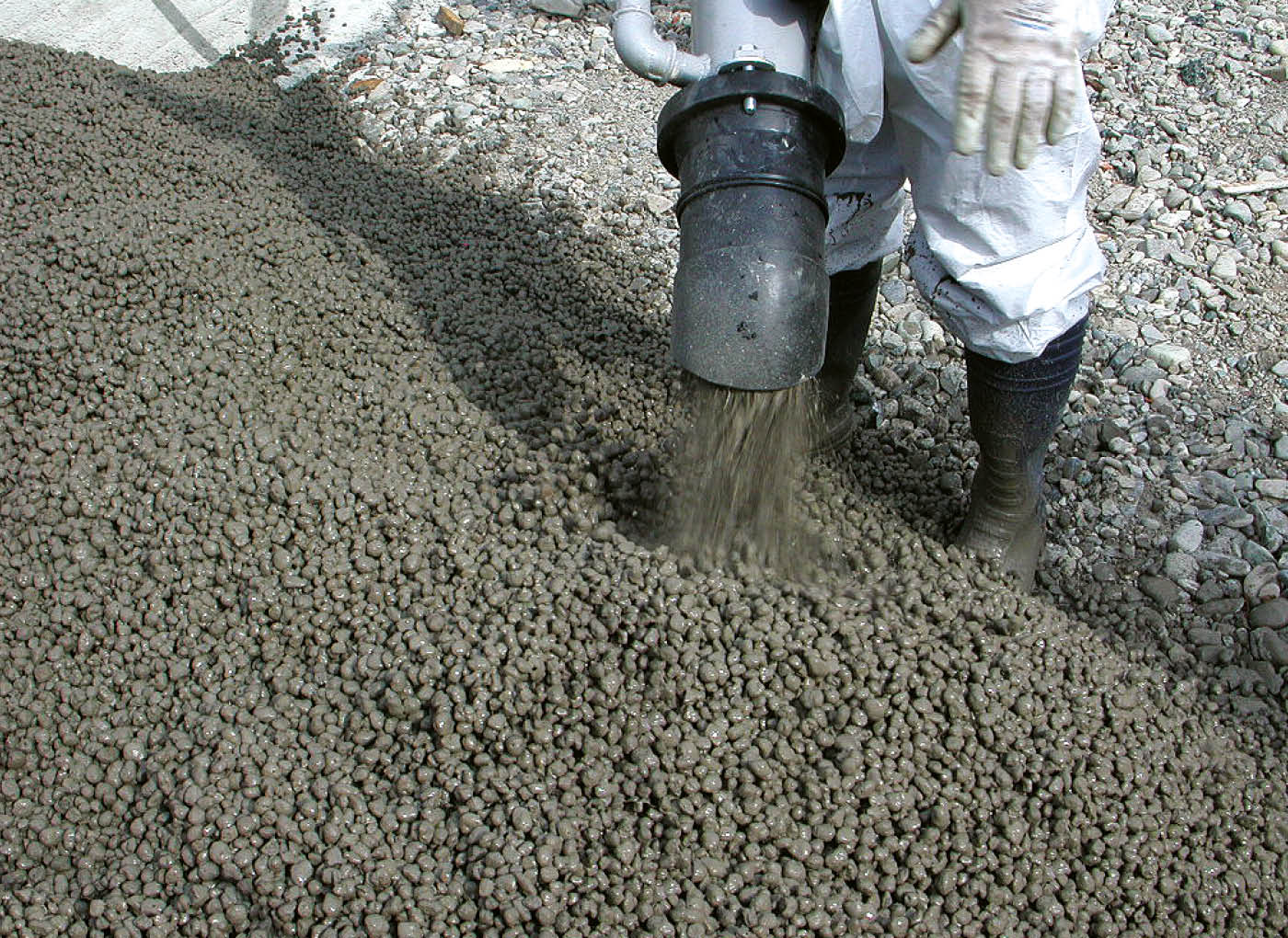
Beneath the surface of Atlanta’s thriving neighborhoods and commercial hubs lies a challenge many property owners rarely consider—underground voids. These unseen cavities can develop for various reasons, including soil erosion, water intrusion, or decaying organic materials. Left untreated, these voids can compromise structural integrity, cause uneven concrete slabs, and lead to costly damage. Fortunately, modern void filling in Atlanta has evolved far beyond traditional concrete pumping. One of the most effective solutions today is precision pressure grouting—a technique that combines engineering analysis with targeted material placement to ensure lasting results.
Unlike older methods that rely on little more than gravity and guesswork, professional pressure grouting services offer engineered solutions that adapt to each site’s unique soil conditions and void dimensions. This approach is gaining traction across metro Atlanta for its reliability, accuracy, and minimal disruption during application.
Understanding The Problem: Hidden Voids And Their Dangers
Underground voids aren’t just a nuisance—they’re a threat to property safety and longevity. Whether the problem stems from a washout beneath a driveway, sinkhole development under a foundation, or weak soil zones under a roadway, the end result is the same: unsupported surfaces that can crack, settle, or collapse over time. Many property owners notice signs such as sunken concrete, cracked driveways, or uneven patios but may not realize these issues trace back to deep-seated subsurface voids.
In these cases, basic concrete pumping may seem like a quick fix. However, without proper analysis, the injected concrete may miss the actual void or fail to compact the surrounding soil properly. Worse yet, this method can add unnecessary weight, further destabilizing the structure.
Why Pressure Grouting Stands Apart?
Pressure grouting, also known as compaction or permeation grouting, offers a smarter solution. Instead of blindly pouring in material, specialists conduct a thorough site evaluation using soil borings, ground-penetrating radar, or other geotechnical assessments. This data allows them to pinpoint void locations and determine the ideal grouting mix and pressure levels for optimal results.
What sets this method apart is the controlled injection of specialized grout under pressure. This grout—typically a low-viscosity, flowable mix—is engineered to fill gaps, compact loose soil, and reestablish support without adding unnecessary weight. The process ensures uniform distribution and stabilization, even in complex soil compositions or confined spaces.
Companies offering advanced void filling services Atlanta utilize these precision techniques to address voids under foundations, driveways, retaining walls, roadways, and more. Their goal isn’t just to fill space—it’s to restore structural integrity with a long-term solution backed by engineering data.
The Pitfalls Of Traditional Concrete Pumping
By contrast, basic concrete pumping methods are often performed without any subsurface analysis. In many cases, contractors simply pour a cement-based slurry into the visible area and hope it settles into the void. This “fill and forget” mentality can temporarily mask the problem but doesn’t address underlying soil instability or prevent further erosion.
Moreover, traditional cement slurries are significantly heavier than modern grout mixes. This added weight could place stress on an already weakened foundation, potentially exacerbating settlement. Without precise control over pressure and flow, there’s also a risk of overfilling or unintended displacement—further complicating the situation.
Where Engineering Meets Efficiency
A key benefit of pressure grouting is its adaptability. Grouting technicians can adjust the pressure, volume, and mix design on the fly to match field conditions. This flexibility ensures the material reaches the targeted voids without affecting surrounding structures or utilities. It’s a far more refined process than conventional methods, especially for delicate environments like historic buildings, critical infrastructure, or areas with variable water tables.
From a timeline perspective, pressure grouting is also efficient. With minimal excavation and no need to remove existing concrete surfaces, the process is faster, cleaner, and often more cost-effective over the long run. Most importantly, clients gain peace of mind knowing their repair is supported by geotechnical analysis and expert application—not guesswork.
Real-World Applications In Atlanta
The need for underground void repair in Atlanta is more common than many realize. From decaying clay pipes causing washouts beneath streets to soil erosion around aging commercial buildings, voids can occur virtually anywhere. Pressure grouting has been successfully used across metro Atlanta in both residential and commercial settings to:
- Stabilize pool decks and patios
- Repair voids under warehouse floors
- Support failing retaining walls
- Prevent foundation settlement
- Protect roads from collapse due to subgrade erosion
In each case, a customized plan is developed to ensure precise delivery of material and long-lasting results.
Final Thoughts
For Atlanta property owners facing subsurface void issues, the choice of repair method can make all the difference. While traditional concrete pumping may seem like a convenient fix, it lacks the precision and stability offered by modern pressure grouting. Backed by engineering insight and geotechnical evaluation, void filling with pressure grout is the smarter, safer, and more effective path to restoring structural support. When considering your next repair project, don’t settle for a surface-level solution. Choose void filling services Atlanta trusts—solutions built on science, tailored to your property’s unique needs, and designed to last.