



Virginia gas prices are a hot topic as they fluctuate across the state. Knowing where to find the cheapest and most expensive places to fill up can save you money.
Current Trends in Virginia Gas Prices
As of October 2026, Virginia gas prices have shown significant fluctuations across various regions, impacting consumers and travelers alike. Recent data indicates a noticeable disparity in fuel costs, with some areas providing more affordable options while others remain substantially higher.
The latest report highlights the following trends in gas prices throughout the state:
- Cheapest Areas: Regions such as Richmond and Norfolk have emerged as some of the most economical places to refuel, with prices averaging around $3.20 per gallon.
- Most Expensive Areas: In contrast, certain locations like Northern Virginia, particularly around Arlington, are experiencing prices that soar to $3.80 per gallon, making it a less favorable choice for drivers.
- Seasonal Variations: Experts suggest that seasonal demand, alongside fluctuations in crude oil prices, continues to influence the gas prices in Virginia, leading to periodic spikes.
- Consumer Impact: The disparity in gas prices can significantly affect daily commuting costs and overall household budgets, prompting many residents to seek the lowest prices available.
Overall, understanding the current trends in Virginia gas prices is essential for making informed fueling decisions.
How to Find Cheap Gas in Virginia
Finding cheap gas in Virginia can be a straightforward process if you know where to look. Here are some effective strategies to help you save money at the pump:
- Use Gas Price Apps: Download popular apps like GasBuddy or Waze, which provide real-time gas prices in your area. These apps often feature user-generated reports that can help you locate the cheapest gas stations nearby.
- Check Local Discounts: Many gas stations offer loyalty programs or discounts for members. Signing up for these programs can lead to significant savings over time.
- Monitor Price Trends: Keep an eye on the fluctuations in Virginia gas prices. Awareness of when prices are likely to rise can help you fill up at the right time.
- Choose the Right Locations: Some regions in Virginia consistently have lower gas prices than others. Researching which areas are the most economical for filling up can result in savings.
- Consider Alternative Fuel Stations: Explore options for alternative fuels, such as ethanol or biodiesel, which may be available at some local stations.
By utilizing these tips, you can navigate Virginia gas prices more effectively and keep your fuel expenses in check.
The Impact of Gas Prices on Real Estate
The fluctuation of Virginia gas prices can significantly influence the local real estate market. When gas prices rise, potential homebuyers often consider commuting costs, which can impact their choice of location. Areas with lower gas prices may become more desirable as buyers seek to minimize their overall expenses.
As fuel costs increase, buyers may gravitate towards homes closer to urban centers where they can rely on public transportation, reducing the need for long commutes. This trend can drive up demand and property values in these areas, while regions farther from city centers may see a decline in interest.
Real estate agents are noticing that homes in proximity to affordable gas stations tend to sell faster. Furthermore, neighborhoods with convenient access to amenities that promote a reduced reliance on cars, such as shopping and dining, are becoming increasingly popular.
Additionally, gas prices can affect the overall economic health of a region. High gas prices can lead to increased costs of living, which may deter potential buyers and impact rental markets. In contrast, areas with stable or lower gas prices often experience a boost in real estate activity.
Understanding the relationship between Virginia gas prices and real estate dynamics is crucial for both buyers and sellers navigating the market.
Tips for Saving on Fuel Costs
As Virginia gas prices continue to fluctuate, finding ways to save on fuel costs has become increasingly important for residents. Here are some effective tips to help you reduce your expenses at the pump:
- Join loyalty programs: Many gas stations offer loyalty programs that provide discounts or points redeemable for future fuel purchases. Signing up can lead to significant savings over time.
- Use fuel price apps: Take advantage of smartphone applications that track gas prices in your area. These apps can help you find the cheapest stations nearby, ensuring you always fill up at the best price.
- Maintain your vehicle: Regular maintenance, including oil changes and proper tire inflation, can improve your car’s fuel efficiency. A well-maintained vehicle consumes less gas, ultimately lowering your costs.
- Consider carpooling: Sharing rides with others can greatly reduce the frequency of trips to the gas station. Carpooling not only saves fuel costs but also lessens traffic congestion.
- Plan your trips: Combining errands into one trip can save both time and fuel. This approach helps minimize the number of times you need to fill up, making it easier to manage Virginia gas prices.
Why Gas Prices Vary by Location
Gas prices can fluctuate significantly across different locations in Virginia due to several factors. Understanding why these variations occur can help consumers make informed decisions about where to buy fuel.
- Geographic Location: Urban areas often have higher gas prices compared to rural regions. This is primarily due to increased demand and higher transportation costs associated with delivering fuel to city stations.
- Competition: Areas with more gas stations tend to have lower prices. When multiple stations are vying for customers, it can lead to competitive pricing, benefiting consumers in those regions.
- State Taxes: Virginia’s gas tax, which contributes to the overall price at the pump, can vary by locality. Some counties impose additional taxes that can lead to higher prices compared to others.
- Supply Issues: Natural disasters, pipeline disruptions, or refinery outages can impact the availability of fuel in certain areas, causing prices to spike.
- Seasonal Changes: Prices can also fluctuate based on the time of year, with summer typically seeing an increase due to higher travel demand.
In summary, understanding these factors can help Virginia residents navigate the varying landscape of gas prices and find the best deals available.
Recent Changes in Fuel Tax
In recent weeks, changes in fuel tax have significantly influenced Virginia gas prices, impacting both consumers and businesses alike. On October 1, 2026, the state implemented a new tax structure aimed at addressing infrastructure needs. This adjustment has led to varying gas prices across different regions, with some areas experiencing noticeable increases.
According to reports, the average gas price in Virginia saw a rise of 10 cents per gallon following the tax changes. This spike has been particularly felt in urban areas where consumers are already facing higher living costs. The following key points illustrate the effects of the recent fuel tax changes:
- Increased Costs: The fuel tax hike has contributed to higher overall expenses for drivers, leading many to seek cheaper alternatives.
- Regional Disparities: Certain cities, like Richmond and Virginia Beach, have reported much higher gas prices compared to rural areas.
- Local Businesses: Rising gas prices may force local businesses to reevaluate their operational costs, potentially leading to price increases for consumers.
As the state continues to navigate these changes, residents are encouraged to stay informed about their local gas prices and explore cost-saving measures.
Future Predictions for Virginia Gas Prices
As we look ahead, future predictions for Virginia gas prices suggest a mixed outlook, influenced by various factors such as global oil supply, seasonal demand, and local economic conditions. Analysts anticipate that prices may fluctuate significantly over the coming months.
One of the key elements affecting future gas prices in Virginia is the ongoing geopolitical situation that impacts oil production globally. If tensions escalate in major oil-producing regions, we could see a spike in prices. Conversely, if stabilization occurs, there might be a decrease in costs.
Additionally, seasonal trends typically play a role in gas pricing. Historically, gas prices tend to rise during summer months due to increased travel, which could affect Virginia gas prices as families embark on vacations.
Local factors also contribute to variations in gas prices across the state. Regions with higher demand or fewer gas stations may experience steeper prices, while areas with more competition could see lower rates.
In conclusion, while predicting precise gas prices is challenging, staying informed about market trends and local conditions can help consumers navigate future costs effectively.
When analyzing Virginia gas prices, it’s essential to consider both urban and rural areas, as they can vary significantly. Some regions consistently report lower Virginia gas prices, making them more attractive for budget-conscious drivers.
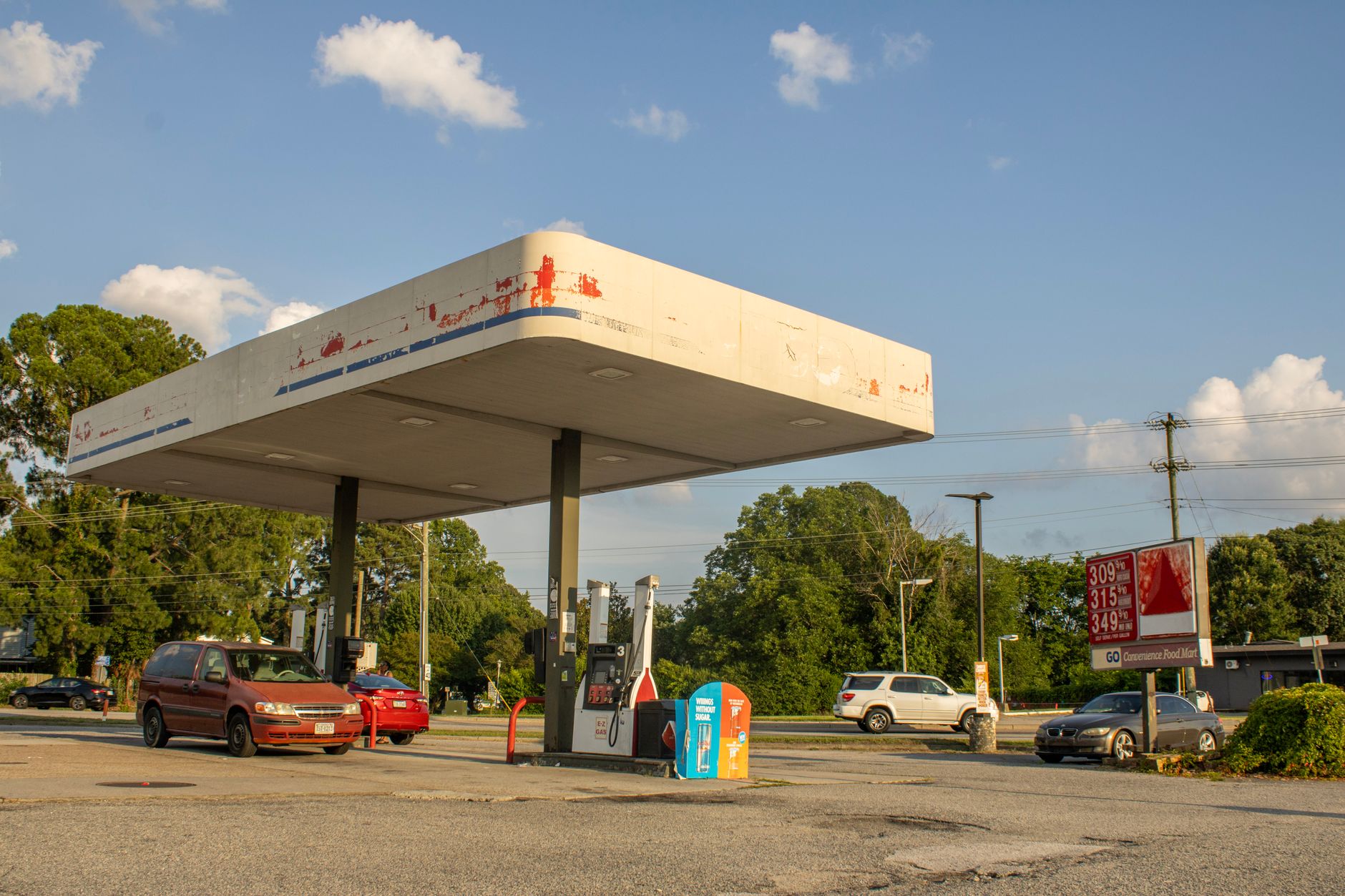
Photo by Zion Smith on Pexels