

What Makes Professional Pest Management an Essential Service?
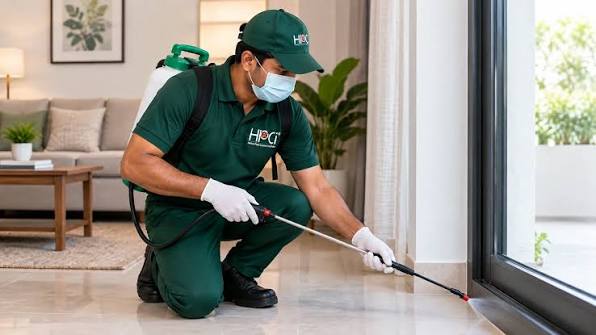
A clean and comfortable environment contributes to better living conditions, workplace productivity, and long-term property care. Pests can affect residential spaces, commercial facilities, food storage areas, and industrial premises, making consistent prevention an important part of property management. Professional pest control(專業除蟲) combines practical expertise, careful inspection, and targeted treatment methods to help maintain hygienic surroundings. With a structured approach to pest management, property owners can address existing concerns while improving their ability to prevent future infestations. Effective pest management also supports routine sanitation, protects valuable assets, and encourages healthier habits across homes and workplaces.
How Does Professional Pest Management Improve Indoor Hygiene?
Indoor hygiene depends on more than regular cleaning. Insects and rodents may enter through small openings, gather around moisture sources, or find food in poorly maintained storage areas. Professional pest management helps identify these conditions and develop appropriate measures to manage them.
A detailed inspection can highlight areas that require attention, including kitchens, drainage systems, storage rooms, utility spaces, and building entrances. Once these areas are assessed, treatment and prevention strategies can be adjusted to the property’s needs. Combining pest management with routine cleaning creates a more organized approach to maintaining indoor hygiene.
For homeowners, this can mean greater confidence in everyday living spaces. For businesses, it supports a consistent environment for employees, visitors, and customers.
Why Is Preventive Pest Management More Effective Than Occasional Treatment?
Preventive management focuses on identifying risk factors before pest activity becomes a larger concern. Instead of waiting until insects or rodents become noticeable, property managers can schedule inspections, monitor vulnerable areas, and maintain suitable sanitation practices.
Prevention also makes pest management easier to integrate into regular maintenance schedules. Sealing gaps, repairing leaks, storing food securely, and removing unnecessary clutter can reduce the conditions that attract common pests.
The value of prevention becomes especially clear in properties with frequent deliveries, shared waste facilities, food preparation areas, or extensive storage spaces. A planned approach gives property owners a clearer understanding of recurring risks and helps them make informed maintenance decisions.
Which Factors Influence the Success of a Pest Control Program?
The effectiveness of a pest management program depends on several connected factors rather than a single treatment. Pest species, infestation severity, building design, sanitation conditions, and the surrounding environment all influence the appropriate response.
Accurate identification is an important starting point because different pests require different management techniques. Ants, cockroaches, termites, mosquitoes, and rodents have distinct habits, entry routes, and breeding conditions. Recognizing these differences helps professionals select suitable methods.
Access to affected areas is another consideration. Treatments are more practical when inspection points, wall openings, drainage locations, and storage spaces can be assessed properly. Cooperation between service professionals and property occupants further improves the quality of ongoing prevention.
How Does Professional Inspection Support Better Decisions?
A professional inspection provides a clearer picture of pest activity and the environmental conditions that may encourage it. Rather than relying entirely on visible insects, trained personnel can look for droppings, damaged materials, nesting evidence, entry points, moisture accumulation, and other relevant indicators.
Inspection findings help determine which areas require immediate attention and which would benefit from preventive improvements. This information also supports more efficient planning by directing resources toward locations with the greatest potential for pest activity.
For commercial properties, inspection records can contribute to maintenance planning and internal hygiene procedures. For residential properties, they help occupants understand practical steps that can be taken between scheduled visits.
What Role Does Technology Play in Modern Pest Management?
Modern pest management increasingly emphasizes precision, monitoring, and informed decision-making. Digital inspection records, monitoring devices, and structured reporting can help service teams track observations and identify patterns over time.
For example, repeated monitoring around waste storage areas may reveal where improved sanitation is needed. Records of recurring activity can also help professionals evaluate whether changes to entry points, cleaning routines, or treatment methods are producing the intended results.
Technology supports the process by making observations easier to organize and compare. However, professional judgment remains essential when interpreting findings, identifying pest species, and selecting appropriate control measures. The most useful systems combine practical experience with reliable monitoring and clear communication.
How Can Businesses Maintain Consistent Pest Management Standards?
Businesses benefit from integrating pest management into everyday operational procedures. Food service facilities, offices, warehouses, retail premises, and hospitality properties all have different requirements, so management plans should reflect their specific layouts and activities.
Useful practices include maintaining cleaning schedules, inspecting incoming goods when appropriate, securing waste containers, monitoring storage conditions, and documenting maintenance concerns. Staff awareness is equally valuable because employees often notice changes in pest activity before they become obvious during routine inspections.
Scheduled professional assessments can help businesses review their current practices and identify opportunities for improvement. Clear responsibilities and consistent documentation also make it easier to maintain established hygiene standards throughout the year.
What Should Property Owners Expect From a Professional Service?
Property owners should expect a clear and organized process that begins with understanding the site and its specific requirements. An effective service typically involves an initial assessment, identification of relevant pest concerns, selection of suitable treatment methods, and practical recommendations for prevention.
Communication is an important part of this process. Property owners benefit from understanding the areas examined, the purpose of recommended treatments, and any preparation or follow-up measures that may be needed.
Treatment decisions should also consider the presence of children, pets, employees, customers, and sensitive equipment. Appropriate product selection, label compliance, and professional application practices help support a carefully managed service experience.
How Can Pest Management Contribute to Long-Term Property Protection?
Consistent pest management supports the preservation of buildings, furnishings, stored materials, and operational equipment. Certain pests, particularly termites and rodents, can affect structural components, wiring, packaging, and other valuable assets.
Regular inspections help identify potential concerns early, allowing property owners to plan suitable maintenance measures. Preventive actions, such as managing moisture, improving ventilation where appropriate, and repairing structural gaps, can complement professional treatments.
Long-term protection is most effective when pest management forms part of a broader property care strategy. Combining inspections, sanitation, maintenance, and monitoring helps establish a more reliable system for managing environmental risks.
Conclusion: Why Is a Planned Pest Management Strategy Worthwhile?
Professional pest management is an important investment in cleanliness, property maintenance, and everyday comfort. Its value comes from combining accurate identification, appropriate treatments, preventive practices, and regular monitoring rather than depending on isolated interventions. Residential and commercial property owners can benefit from understanding their specific risks and maintaining consistent hygiene routines. By choosing a structured, professional approach, they can support healthier indoor environments, protect valuable assets, and build a sustainable plan for long-term pest prevention.