

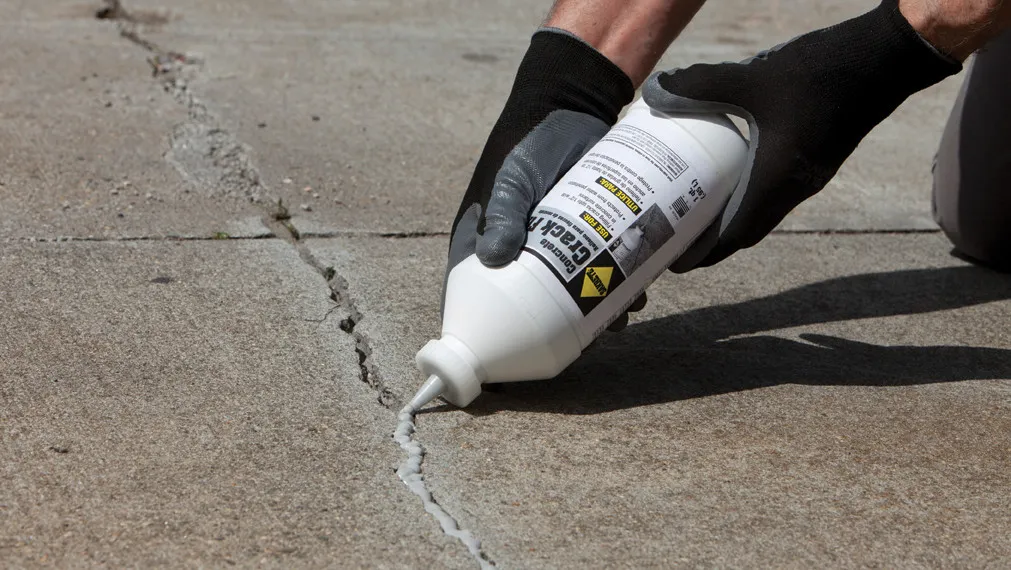
Concrete is individual of the most solid and widely used construction materials for both residential and marketing projects. However, even the strongest concrete is not immune to cracking. Cracks can occur due account of tangible considerations, improper establishment, or insufficient perpetuation. While minor surface cracks may appear nontoxic, they can compromise fundamental completeness and bring about costly repairs on occasion.
Understanding how to prevent concrete cracks is essential, and professional constructors have proven methods to maintain surfaces strong and lasting.
Tips from Professional Contractors to Prevent Concrete Cracks
Professional contractors learn several best practices to diminish cracking, guaranteeing surfaces stay durable and clearly appealing.
1. Proper Site Preparation
• Clear and Level the Area:
Remove waste, plants, and loose soil before concrete installation.
• Compact the Subgrade:
Ensure the soil beneath the concrete is properly compacted to provide an established foundation.
• Check Drainage:
Prevent water from combining under the stone, which can decrease the concrete and cause cracks.
A pleasing site reduces stress points and constructs a dependable base for the concrete.
2. Use the Right Concrete Mix
• Choose the Appropriate Strength:
Use real with the correct compressive entity for the intended use. Residential slabs vary from marketing or industrialized surfaces.
3. Control Joints
• Plan Joint Placement:
Contractors strategically place control intersections to guide where cracks can occur naturally.
• Proper Depth and Spacing:
Typically, control links are 1/4 of the slab thickness and are divided according to slice dimensions.
• Timely Cutting:
Joints should be cut soon after the fact starts to set to prevent unrestrained breaking.
Control intersections act as stress entertainment points, directing certain cracks into predictable lines.
4. Reinforcement
• Steel Rebar or Wire Mesh:
Reinforcement assigns loads evenly and reduces adaptable stress, which can cause cracks.
• Fiber Reinforcement:
Synthetic or steel fibers increased the joint to improve grit and lower shrinkage cracks.
Reinforcement is essential, especially for commercial or extreme-traffic areas.
5. Proper Curing Techniques
• Keep Moist:
Ensure the hardened remnants are moist all along the healing period to prevent rapid drying, which can lead to cracks. Hire the best cement installation company to prevent future cracks.
• Cover the Surface:
Use healing blankets, plastic sheeting, or water sprays to control dampness loss.
• Avoid Premature Loading:
Prevent foot traffic, vehicles, or troublesome equipment from detailing until it reaches a stable state.
Curing is detracting to the substance happening and crack stop.
6. Seasonal Factors
In hot climates, construction workers may manage water content to prevent fast drying and decrease cracks. Proper environmental management guarantees hardened cures fairly and upholds its fundamental completeness. You can also find by searching the “concrete contractor near me.”
Conclusion
Preventing concrete cracks demands an alliance of decent planning, status ingredients, support, and expert installation means. By following professional practices like home preparation, selecting the right joint, establishing control junctures, strengthening correctly, and curing properly, you can extend the age of your hardened surfaces while asserting their presentation and fundamental integrity.
For property partners and trades, lending professional knowledge guarantees concrete surfaces stay powerful, long-lasting, and visibly attractive for years the way. Proper development and consideration of detail today avoid priceless repairs and replacements tomorrow.


