




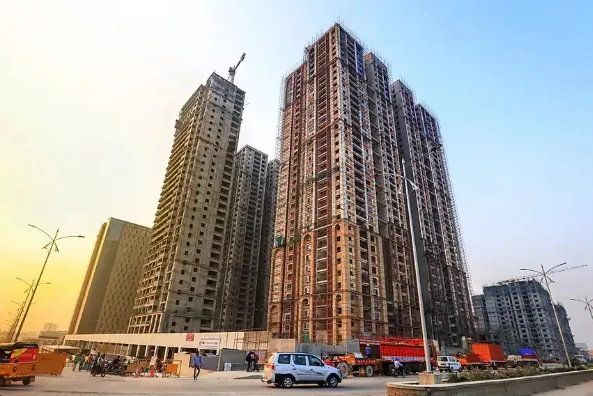
New roads and train lines don’t just move people around a city. They quietly reshape what land is worth, sometimes years before anyone notices the change. A neighbourhood that felt far off suddenly becomes convenient once a rail line cuts the commute in half, and property prices tend to follow that shift, though rarely right away. Buyers and investors who track these projects early often catch value that hasn’t been priced in yet by the wider market.
Table of Contents
- Transport Links Drive Early Demand
- Schools and Hospitals Add Stability
- Commercial Growth Changes the Picture
- Government Master Plans Signal Direction
- Construction Phases Affect Pricing
- Long-Term Value Beyond the Hype Cycle
- Conclusion
Areas connected to major upgrades like those surrounding Dorset Gardens, often see a gradual climb in demand as construction nears completion. It’s not instant. Prices tend to creep rather than jump, at least until the infrastructure actually opens and people start using it daily. Still, the pattern repeats often enough across cities that it’s worth paying attention to, especially for anyone planning to hold property for the long term rather than flip it fast.
Transport Links Drive Early Demand
New MRT stations, motorway extensions, and bus interchanges these projects almost always trigger some kind of price movement nearby. Reduced commute times matter more to buyers than almost anything else on a checklist, right up there with school zones and hospital access. A twenty-minute shorter ride to the city centre can shift a unit from “too far” to “actually fine” in a buyer’s mind.
Announcements alone can move prices, even before shovels hit the ground. Speculative buying picks up once plans get confirmed, though it cools if construction drags on for years without visible progress. Timing matters here. Buying too early, before a project is even greenlit, carries more risk than buying once construction is well underway.
Schools and Hospitals Add Stability
Transport gets most of the attention, but social infrastructure, schools, clinics, and hospitals play a quieter role that lasts longer. Families weigh proximity to good schools heavily, sometimes above almost everything else, and that demand tends to hold steady even when broader market conditions wobble.
A new hospital or specialist clinic nearby adds a different kind of value too particularly for older residents or anyone thinking ahead to future healthcare needs. It’s less flashy than a shiny new mall opening up the street, but it tends to support property values in a steadier, less volatile way over time.
Commercial Growth Changes the Picture
When retail and office developments move into a district, the whole character of the area shifts. More foot traffic, more jobs nearby, more reasons for people to actually want to live close by instead of just passing through on their commute. This is where projects like Clovelle of Woodlands benefit from surrounding commercial growth that builds a genuine local economy rather than relying purely on residential demand.
Retail hubs bring convenience, sure, but they also bring noise and traffic that some buyers actively avoid. It’s a trade-off. Some residents love having shops within walking distance; others would rather keep a bit of distance and quiet. Developers weigh this balance carefully when planning where commercial nodes should sit relative to housing blocks.
Government Master Plans Signal Direction
Long-term urban master plans give a rough map of where a city intends to grow next. These documents, often published years in advance, hint at future rezoning, new transport corridors, and planned town centres well before actual construction begins. Reading them carefully can reveal opportunities most casual buyers miss entirely.
Of course, plans shift. Budgets get delayed, priorities change with new administrations and projects get scaled back or pushed years later than originally announced. Treating a master plan as a rough compass rather than a guaranteed outcome keeps expectations realistic and prevents buyers from overpaying based on projects that might not land exactly as drawn.
Construction Phases Affect Pricing
The years during active construction can be rough on nearby property values. Noise, dust, and blocked roads – none of it is pleasant for existing residents, and buyers sometimes hesitate to purchase in the thick of ongoing works. This dip, though, often represents a window rather than a warning sign.
Once construction wraps and the new infrastructure actually opens, the discount tends to disappear fast, sometimes within a year or two. Investors who buy during the disruptive middle phase, accepting some short-term inconvenience, often end up ahead of buyers who wait for everything to look finished and polished before committing.
Long-Term Value Beyond the Hype Cycle
Not every big transit claim brings real gains. A few works stall, run behind for years, or just miss the growth folks banked on. Distinguishing genuine long-term catalysts from short-lived buzz takes a bit of homework checking funding sources, construction timelines and whether population projections actually hold up.
The strongest gains tend to come from areas with multiple overlapping improvements rather than just one shiny new station or mall. Transport, schools, commercial activity, and healthcare – when these layer together over several years, the value tends to compound rather than spike and fade. Patience usually rewards buyers more than chasing the newest single announcement.
Conclusion
Infrastructure shapes real estate value in ways that unfold slowly, not overnight. Transport links, schools, commercial growth and government planning all play a part and the smartest buyers pay attention to the full picture rather than reacting to a single headline. Patience and research tend to pay off more reliably than chasing whatever project is making news this month.
Understanding how these pieces connect gives buyers a real edge over those who simply react to finished results. Following structural phases reading growth plans and checking which projects have real funds instead of mere ideas helps spot true value among hyped claims.