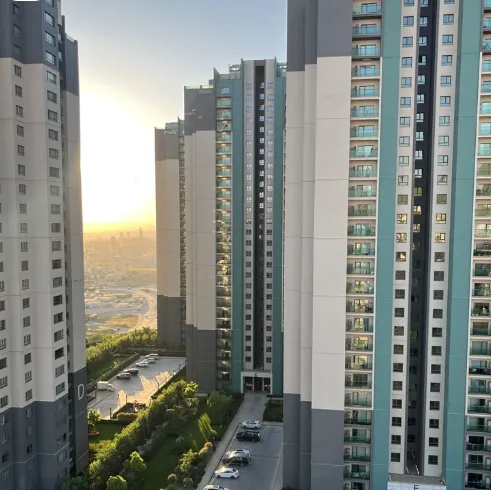
Ask a buyer today what they want, and the answer has changed. Granite counters still sell. But the electricity bill gets mentioned more. Anyone browsing Chencharu Central Residences might ask about water, power, and waste before asking about the pool. Fair questions, really. Green features are no longer a bonus.
This article walks through the features worth checking. Some save money from month one. Others pay off slowly, like a tree you plant for shade. None of them need a degree to understand. You only need to know what to ask, and where to look inside a unit. Easy enough.
Solar Panels and Smart Meters
Start with power. Some developments use rooftop solar for shared areas like lifts, corridors, and car parks. That cuts the common bill. Ask whether Fablewoode Residences or any project you like does something similar, and how much of the load it actually covers. Ask for a number, not a slogan.
Smart meters are worth a look too. They show how much power your home uses, often almost live. Seeing the fridge or the aircon eat energy changes habits fast. Check the lighting as well. LED fittings and motion sensors in stairwells are small touches, yet they add up over a year.
Water Saving Taps and Fixtures
Water bills creep up quietly. A dripping tap, a big flush, a long shower. Look for dual flush toilets and taps with aerators, which mix air into the stream. The flow feels the same. The meter spins slower. Check for a water efficiency label on fittings if the unit has one.
Outside the unit, ask about rainwater collection. Some developments store rain for watering plants and washing driveways. Landscaping with native plants needs less watering too. It sounds small, but a large garden can drink a lot. Ask the agent how the grounds are watered, and when. Honest answers tell you plenty.
Cooling Without Burning Power
Cooling eats the most power in a warm country. Good design helps before any machine does. Look at which way windows face, how deep the balcony is, and whether cross ventilation is possible. A breeze through the unit can lower the need for air conditioning on mild evenings. Simple physics, no gadgets.
Then check the machine itself. Inverter air conditioners use less energy than old fixed speed ones. Look at the star rating. Ask about glass too. Low-E glass blocks some heat but still lets light in. Ceiling fans help as well. They cost little to run, and many people forget them.
Materials That Last Longer
Green is not only about power. Materials count. Flooring, paint, and cabinets all carry a footprint. Look for low VOC paint, which gives off fewer fumes, and timber from certified sources. Ask what the fittings are made of. If the answer is a shrug, note that down. It tells a story too.
Durability is the quiet green feature. A floor that lasts twenty years beats one replaced every five. Open the cabinet doors a few times. Check the joints and sealant. Cheap finishes end up in a skip, and that waste is real. Pay a bit more for things that hold up.
Waste, Recycling and Compost Corners
Walk past the bin area. Really. A clean, well marked recycling point says a lot about the estate. Look for separate bins for paper, plastic, glass, and cans. See if they are easy to reach from the lift lobby. If recycling is a chore, people stop doing it. Human nature.
Some newer projects add a compost corner for garden waste or food scraps. Others have community gardens that use it. Ask who runs it. A garden with no volunteer rota tends to wilt. Check for bulky waste pickup, since old furniture needs somewhere to go. Details like this show planning.
Greener Travel From Your Door
Where you park matters, but so does how you leave. Check for electric vehicle charging points, or at least the wiring to add them later. Bicycle racks, shower rooms, and sheltered walkways make leaving the car at home easier. Some buyers now check these before the lifts. Worth a look.
Then look at the walk to the nearest train or bus stop. A ten minute stroll beats a ten minute drive plus parking. Notice if the pavement has shade. Trees along the route matter more than a brochure admits. Cleaner air, cooler skin, a nicer morning. Small perks stack up.
Conclusion
Green living at home is a mix of power, water, materials, waste, and travel. No project scores perfect on all five. Pick what matters most to you, then ask for proof. Whether you lean toward Central Residences or something else, the same questions apply. Ask them politely, but ask.
Write a short list before any viewing. Take photos of labels, meters, and bin rooms. Compare later at home, over tea. Residences may suit one buyer and not another, and that is fine. A greener home should be a calmer one. That is worth a few extra questions.