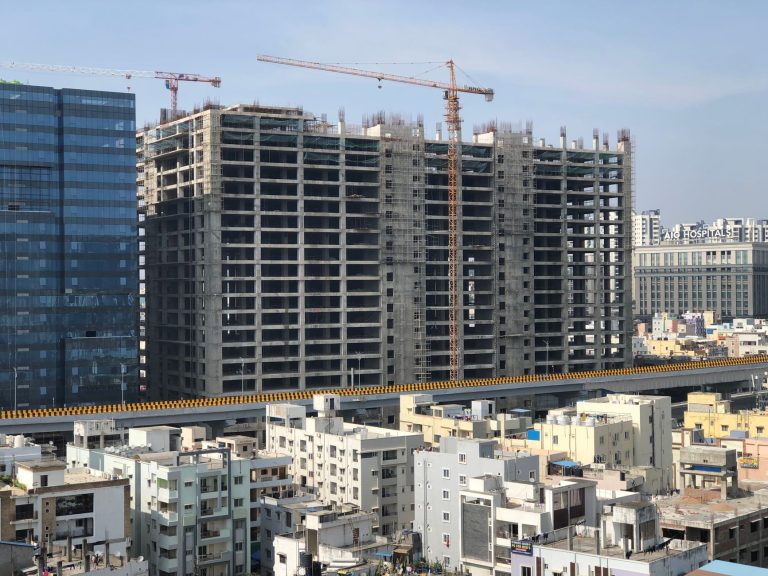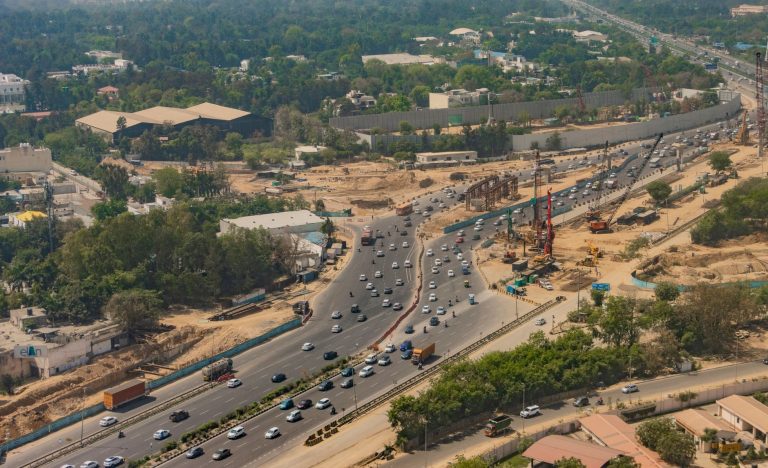



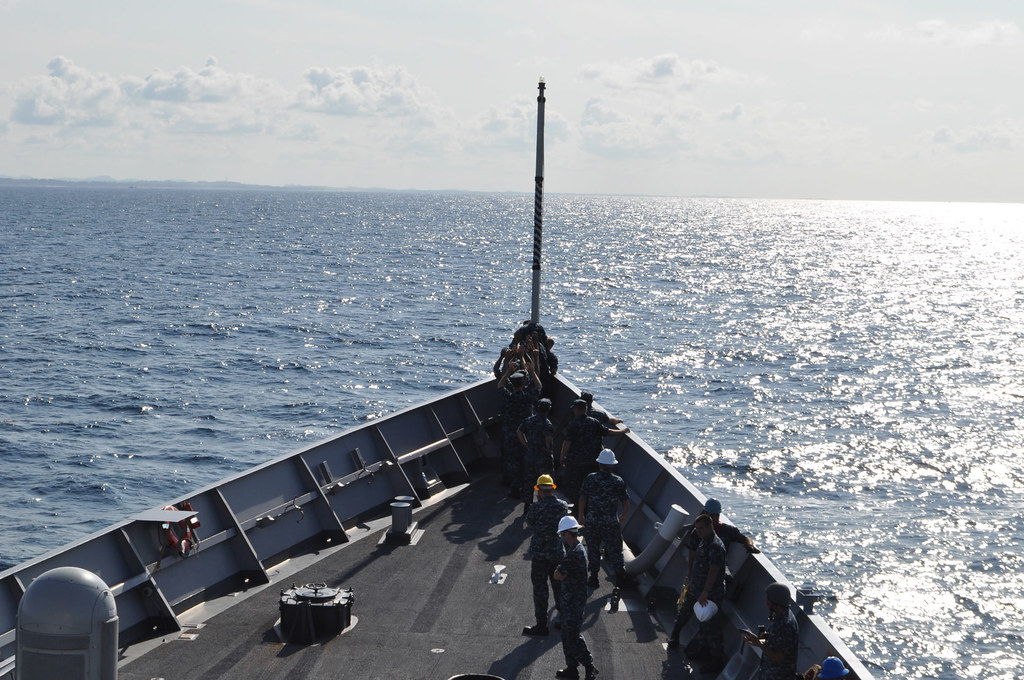
The Sri Lankan port project has been significantly impacted as China pulls out due to external pressures. This decision raises questions about future investments in the region.
Overview of the Sri Lankan port project
The Sri Lankan port project, initially valued at $392 million, aimed to enhance the country’s maritime infrastructure and boost economic growth. This ambitious development was expected to transform the region into a key shipping hub, facilitating international trade and attracting foreign investment.
However, the recent decision by China to withdraw from the project has raised significant concerns. The pullout is believed to be influenced by external pressures, leading to uncertainty about the project’s future and its potential benefits for Sri Lanka.
Key aspects of the Sri Lankan port project included:
- Infrastructure Development: Upgrading port facilities to accommodate larger vessels.
- Job Creation: Generating employment opportunities for local communities through construction and operational activities.
- Economic Growth: Stimulating local economies by increasing trade and commerce.
The implications of China’s exit from the Sri Lankan port project are profound, with analysts warning of potential setbacks in achieving these goals. Stakeholders are now left grappling with the fallout, as the loss of a major investor threatens to derail progress and undermine confidence in Sri Lanka’s ability to manage large-scale infrastructure initiatives.
As discussions continue about the future of the project, it remains to be seen how Sri Lanka will navigate this challenging situation and seek alternative partnerships to realize its maritime ambitions.
Reasons behind China’s withdrawal
The recent decision by China to withdraw from the Sri Lankan port project has raised eyebrows and sparked widespread speculation. Several key factors contributed to this unexpected pullout.
- Economic Pressures: China faced mounting external pressures regarding its investments in Sri Lanka, particularly as the country grapples with significant debt issues. The Sri Lankan government has been criticized for taking on excessive loans, leading to concerns over sustainability and financial stability.
- Geopolitical Concerns: The strategic location of the Sri Lankan port project has made it a focal point for geopolitical tensions in the Indian Ocean region. Rival countries have expressed apprehension about China’s expanding influence, prompting a reevaluation of international partnerships.
- Domestic Opposition: There has been considerable local opposition to the port project, with activists arguing that it could harm the environment and displace communities. This domestic pushback has pressured the Sri Lankan government to reconsider its relationship with China.
- Shift in Policy: In light of changing global dynamics, China appears to be recalibrating its Belt and Road Initiative investments. The withdrawal from the Sri Lankan port project may signal a broader strategy to prioritize more stable and favorable projects in the region.
As the dust settles, the implications of this withdrawal on the Sri Lankan port project and its long-term viability remain to be seen.
Impact on Sri Lanka’s economy
The recent withdrawal of China from the Sri Lankan port project has sent shockwaves through the nation’s economy, raising concerns among stakeholders and citizens alike. The $392 million investment was anticipated to bolster Sri Lanka’s position as a key maritime hub in the region, but its abrupt termination now poses significant challenges.
Economic analysts predict several immediate impacts:
- Loss of Investment: The cancellation of the project means the country will not see the anticipated foreign direct investment, which was crucial for infrastructure development.
- Job Losses: Thousands of jobs that were expected to be created through this initiative are now at risk, affecting families and local businesses.
- Trade Disruptions: The Sri Lankan port project was designed to enhance trade routes. Its failure could result in delays and increased costs for shipping companies and exporters.
- Increased Debt: With ongoing financial commitments and no influx of capital from the project, Sri Lanka may face further strain on its national debt.
Moreover, the political ramifications of this pullout cannot be overlooked. It raises questions about Sri Lanka’s ability to attract future investments and maintain stable international relations. As the country navigates this challenging landscape, the long-term effects on its economy remain to be seen.
Future of infrastructure investments
The recent withdrawal of China from the Sri Lankan port project has raised significant concerns about the future of infrastructure investments in the region. As Sri Lanka grapples with economic instability, the absence of this vital project could hinder the nation’s ability to attract foreign investments.
Experts believe that the fallout from this situation may extend beyond immediate financial implications. The cancellation of the $392 million project not only affects construction and employment but also sends a signal to other potential investors about the risks of engaging with Sri Lankan infrastructure projects.
Key factors influencing future investments include:
- Political Stability: Investors are likely to be more cautious in the face of ongoing political turmoil and uncertainty.
- Debt Management: Sri Lanka’s mounting debt and previous dealings with foreign creditors will continue to be a concern for future funding opportunities.
- Regional Competition: Other countries in the region may capitalize on this setback, offering more favorable conditions to attract investments in infrastructure.
In this context, the future of the Sri Lankan port project and similar initiatives hangs in the balance. The government must address these challenges proactively to restore confidence among investors and ensure sustainable growth in the infrastructure sector.
Reactions from local stakeholders
Local stakeholders have expressed deep concern following China’s unexpected withdrawal from the Sri Lankan port project, which was anticipated to significantly enhance the country’s maritime capabilities. Many believe that this decision could lead to far-reaching implications for the region’s economic stability.
One local business leader, Ravi Perera, stated, “This project was not just about the port; it represented hope for thousands of jobs and economic growth. With China pulling out, we fear a considerable setback.”
The fishing community, which has long awaited infrastructure improvements, echoed these sentiments. Chandani Seneviratne, a local fisherwoman, emphasized the project’s potential to boost their livelihoods, saying, “We were optimistic about better facilities and access to markets. Now, we are left in uncertainty.”
Environmental groups have also raised alarms, citing that the abrupt halt could lead to increased degradation of coastal ecosystems. Dr. Anura Jayasinghe, an environmental activist, remarked, “While there are concerns about foreign investments, we must consider the ecological impact of an unplanned vacuum left by the withdrawal of the Sri Lankan port project.”
As discussions continue, the government is being urged to seek alternative investments to fill the void left by China, indicating that local stakeholders remain hopeful for a resolution that prioritizes both economic recovery and environmental sustainability.
Comparative analysis with other projects
The recent withdrawal of China from the Sri Lankan port project has sparked a comparative analysis with similar infrastructure projects across the region. Understanding the implications of this decision requires examining other nations that have faced similar challenges.
Several projects have suffered due to geopolitical tensions and shifting alliances, including:
- The Hambantota Port in Sri Lanka: Initially funded by Chinese investments, the project’s financial difficulties led to a significant loss of control, raising questions about sovereignty and long-term economic viability.
- The Gwadar Port in Pakistan: Although it has received substantial Chinese investment, local opposition and security concerns have stalled its progress, drawing parallels to the Sri Lankan port project.
- The Kyaukphyu Port in Myanmar: Similar issues arose here, where external pressures from Western nations led to a reevaluation of Chinese investments, resulting in a slowdown of development.
Each of these projects illustrates the delicate balance between securing foreign investment and maintaining national interests. The fallout from China’s pullout of the Sri Lankan port project could serve as a cautionary tale for other nations considering large-scale foreign investments. As regional dynamics evolve, the future of such infrastructure projects remains uncertain.
Conclusion and next steps
As the Sri Lankan port project grapples with the repercussions of China’s withdrawal, stakeholders are left to navigate an uncertain future. The sudden pullout has not only strained financial resources but also raised questions about the viability of ongoing and future infrastructure investments in the country.
Local authorities are now tasked with reassessing the development plans and exploring alternative funding sources. Possible next steps include:
- Engaging with other international investors to fill the funding gap left by China.
- Revisiting project timelines and scopes to ensure they align with the current economic climate.
- Strengthening partnerships with regional allies to enhance collaboration on infrastructure projects.
Moreover, the Sri Lankan government may need to consider revising its approach to foreign investments. This could involve creating more favorable terms or incentives to attract new partners and mitigate the risks associated with geopolitical tensions.
In conclusion, the fallout from the Chinese exit represents a critical juncture for the Sri Lankan port project. How the nation responds in the coming months will likely shape the landscape of its infrastructure development and international relations. Emphasis on transparency and strategic planning will be essential to rebuild confidence among potential investors and secure the future of the country’s economic growth.
By Commander, U.S. 7th Fleet via Openverse