
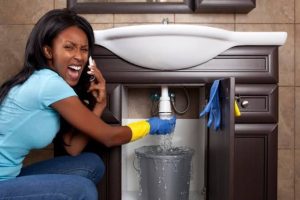

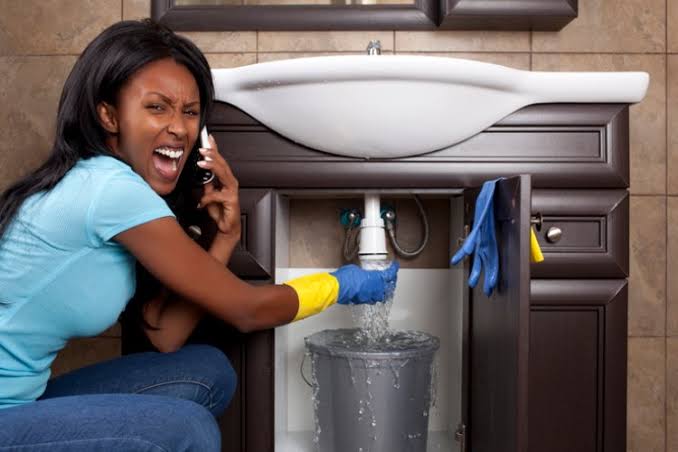
Every homeowner experiences that sudden moment of panic when water begins pooling where it should not be, or when a fixture stops working entirely. Plumbing issues have a unique way of striking at the most inconvenient times, transforming a quiet evening or a relaxed weekend into a stressful scramble. While some minor drips can wait for a routine maintenance check, true plumbing emergencies demand immediate attention to prevent severe structural damage, costly restoration, and health hazards.
Understanding the most common plumbing emergencies and knowing the exact steps to take before professional help arrives can make the difference between a quick repair and a major disaster. When a pipe bursts in the middle of the night and threatens to flood your basement, calling an emergency plumber santa clarita immediately can prevent thousands of dollars in structural water damage.
Clogged Drains and Severe Backup Issues
A slow-draining sink or tub is a minor annoyance, but when multiple drains back up simultaneously or water begins overflowing from fixtures, you are dealing with a critical issue. Main sewer line blockages are often the culprit behind widespread drainage failures. Tree root intrusion, accumulated grease, or non-flushable materials can obstruct the main line, forcing wastewater back up into your home through the lowest drains.
The first thing to do in the event of a serious drain backup is to immediately stop using any water sources. Running a washing machine, taking a shower, or flushing a toilet will only add more volume to the system and cause further overflow. Locate your main water shutoff valve and turn it off if water is actively rising from floor drains or toilets. Avoid using chemical drain cleaners in emergency backup situations, as these harsh substances can cause chemical burns to plumbers during repair work and rarely clear main line obstructions. Contact a licensed plumbing professional immediately to inspect the sewer line with a specialized camera and clear the blockage.
Burst Pipes and Catastrophic Leaks
Few plumbing emergencies cause as much immediate, widespread damage as a burst pipe. Pipes can burst due to extreme freezing temperatures, excessive water pressure, age, or severe corrosion. When a pipe ruptures, hundreds of gallons of water can flood into walls, ceilings, and flooring within minutes, leading to severe structural weakening and rapid mold growth.
If you suspect a burst pipe, rapid action is essential. Locate your main water shutoff valve immediately and turn it counterclockwise until it is completely closed. Once the main supply is shut down, open several cold and hot water faucets throughout the house to drain remaining water from the lines and relieve pressure. If water is leaking near electrical outlets, light fixtures, or appliances, turn off the electricity at the main breaker box before entering affected areas to prevent electrical shocks. Take photos and videos of the damage for insurance claims, then reach out to emergency plumbing services and a water restoration specialist.
Leaking Water Heaters and Tank Failures
Water heaters operate continuously under constant pressure, making them vulnerable to wear and tear over time. A leaking water heater can stem from loose fittings, a faulty pressure relief valve, or internal tank corrosion. If a traditional tank water heater rusts through from the inside, it can release dozens of gallons of water in a short window, flooding basements, utility closets, or garages.
If you discover a leaking water heater, turn off the power supply first. For electric water heaters, shut off the corresponding breaker at the electrical panel. For gas units, turn the gas control valve to the off or pilot position. Next, shut off the cold water supply line connected to the top of the heater to stop fresh water from entering the tank. If necessary, attach a garden hose to the drain valve at the bottom of the unit to direct remaining water toward a floor drain or exterior area. Replacing or repairing a failed water heater requires technical expertise, so call a professional technician after taking these initial safety precautions.
Conclusion
Plumbing emergencies are stressful, unpredictable, and potentially destructive, but preparation and swift action can significantly reduce the harm to your home. Knowing the location of your main water shutoff valve, keeping basic tools like plungers and pipe tape accessible, and acting quickly to stop water flow are the best defensive measures every homeowner can take. While immediate troubleshooting steps help mitigate initial damage, relying on qualified plumbing professionals ensures long-term safety, code compliance, and reliable repairs. By understanding these common hazards and maintaining a calm, systematic response, you can navigate any plumbing crisis with confidence and keep your home safe.