

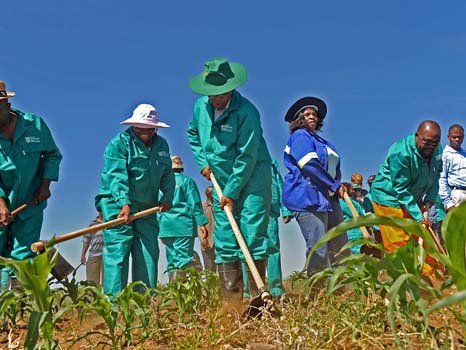
The rural development project is expected to bring significant improvements to Ctg and Cox’s Bazar. This 2,500 crore initiative aims to enhance infrastructure and living standards in these regions.
Overview of the 2,500 crore project
The recent announcement of a rural development project worth Tk 2,500 crores has sparked significant interest and debate among local communities and stakeholders. The initiative aims to enhance the living standards of residents in the Chattogram and Cox’s Bazar regions, which have long faced challenges related to infrastructure, education, and healthcare.
This substantial investment is expected to address several key areas:
- Infrastructure Development: The project plans to improve roads, bridges, and public transport facilities, making it easier for residents to access essential services.
- Education Enhancement: Investments will be made in building new schools and upgrading existing educational institutions to ensure quality education for children.
- Healthcare Access: The initiative includes the establishment of new clinics and health centers to provide better healthcare services to the rural population.
- Economic Opportunities: By fostering local entrepreneurship and providing training programs, the project aims to create jobs and boost the local economy.
However, while many residents and local leaders welcome the funding, there are concerns about accountability and the effective implementation of the project. Ensuring that the allocated funds are utilized efficiently will be vital for the success of this rural development project and its long-term impact on the communities involved.
Impact on local communities
The rural development project, valued at 2,500 crores, has generated significant anticipation among local communities. The initiative aims to address critical issues faced by residents in the regions of Chattogram and Cox’s Bazar. By investing in infrastructure, education, and healthcare, the project seeks to enhance the quality of life for countless individuals.
One of the primary objectives of the rural development project is to improve access to essential services. Residents have long struggled with inadequate healthcare facilities and educational institutions. This project promises to establish:
- New schools: Ensuring that children receive quality education and have a safe environment to learn.
- Healthcare centers: Providing essential medical services and improving overall health outcomes.
- Road infrastructure: Enhancing connectivity between rural areas and urban centers, facilitating better access to markets and resources.
Moreover, the rural development project aims to promote local economies by creating job opportunities and supporting small businesses. The involvement of community members in planning and implementation is crucial, as it fosters a sense of ownership and responsibility.
While the potential benefits are substantial, some community members express concerns regarding the sustainability of such a large investment. Ensuring that the goals of the project align with the long-term needs of the rural population will be essential for its success.
Funding sources and allocation
The rural development project, estimated at a substantial 2,500 crores, has attracted significant attention regarding its funding sources and allocation. Understanding where the funds originate and how they will be utilized is crucial for stakeholders involved in this initiative.
Funding for the project is primarily sourced from a combination of government allocations and international aid. The breakdown of these funding sources includes:
- Government Contributions: A major portion of the budget comes from the national government, which aims to enhance infrastructure and services in rural areas.
- International Grants: Several international organizations are expected to provide financial support, recognizing the importance of rural development in sustainable growth.
- Public-Private Partnerships: There is also potential for private sector investment, which can help in the implementation of various components of the project.
As for allocation, the funds are earmarked for various sectors, such as:
- Infrastructure Development: Roads, bridges, and utilities will receive a significant share to improve connectivity.
- Education and Health Services: Enhancements in local schools and healthcare facilities are a priority.
- Livelihood Programs: Initiatives aimed at boosting agricultural productivity and creating job opportunities will also be funded.
Overall, careful consideration of the funding sources and allocation is essential for the success of this rural development project.
Future prospects for rural development
The future prospects for the rural development project valued at 2,500 crores appear promising, yet they are accompanied by several challenges that must be addressed. Stakeholders believe that with effective implementation, the project could significantly improve infrastructure and quality of life in rural areas.
Key areas of focus for the project include:
- Infrastructure Development: Enhancements in roads, bridges, and public transportation can facilitate better connectivity and access to markets.
- Education and Health Services: Investing in schools and healthcare facilities is crucial for long-term community well-being.
- Economic Opportunities: By supporting local businesses and promoting agricultural innovations, the project aims to create sustainable employment for residents.
- Environmental Sustainability: Incorporating eco-friendly practices will help preserve local ecosystems while promoting development.
In addition, ongoing community engagement will be vital for the project’s success. Local involvement ensures that the needs and preferences of residents are prioritized, fostering a sense of ownership and commitment to the initiatives. As the rural development project unfolds, regular assessments will be necessary to adapt strategies and maximize benefits.
Ultimately, while the financial investment is substantial, the potential for transformative change in rural areas makes the project a crucial endeavor for sustainable development.
Government’s role in infrastructure improvement
The government plays a crucial role in the success of the rural development project, particularly in terms of infrastructure improvement. With a budget allocation of 2,500 crores, officials emphasize the importance of enhancing basic facilities to uplift rural areas. The focus is on building and upgrading essential infrastructure, which includes:
- Road networks to improve connectivity
- Water supply systems for clean drinking water
- Sanitation facilities to promote public health
- Electricity access to support economic activities
- Internet connectivity to bridge the digital divide
These infrastructure upgrades are vital for fostering economic growth and improving the quality of life for residents in rural communities. The government has committed to collaborating with local authorities and stakeholders to ensure that the rural development project meets the specific needs of each area. By prioritizing infrastructure, the government aims to attract investments and create job opportunities, which are essential for sustainable development.
Moreover, community involvement in the planning and implementation phases is encouraged, as it ensures that the initiatives align with the preferences and priorities of the locals. This participatory approach not only enhances transparency but also builds trust between the government and the communities it serves. Ultimately, effective infrastructure improvement is seen as a cornerstone of the rural development project, paving the way for long-term success and sustainability.
By GovernmentZA via Openverse