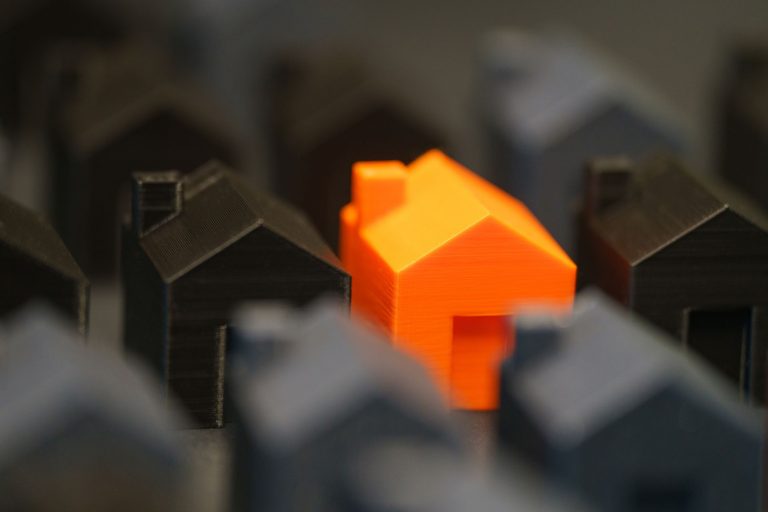


Residential property prices have increased by 4.7% in the year leading to September 2026. This rise reflects ongoing trends in the real estate market that could impact buyers and investors alike.
Current Trends in Residential Property Prices
In recent months, the residential property prices have shown considerable movement, with a reported rise of 4.7% in the year leading up to September 2026. This increase reflects a growing demand in various housing markets across the country.
Several factors contribute to the current trends in residential property prices:
- Economic Recovery: As the economy continues to recover post-pandemic, consumer confidence has surged, prompting more individuals to invest in real estate.
- Low Interest Rates: Despite slight fluctuations, interest rates remain historically low, making home loans more accessible for potential buyers.
- Urban Migration: A trend towards urbanization has been observed, with many people relocating to metropolitan areas, driving up demand for housing.
- Supply Chain Issues: Ongoing supply chain disruptions have resulted in limited housing availability, further driving up prices.
The combination of these factors suggests that the upward trend in residential property prices may continue in the near future. Analysts recommend that prospective buyers stay informed about market developments, as fluctuations can impact their purchasing decisions significantly. As the landscape evolves, understanding the nuances of these trends will be essential for both buyers and investors alike.
Factors Driving Price Increases
As the data reveals a significant rise in residential property prices, several key factors are contributing to this upward trend. Understanding these elements can provide insight into the market dynamics that are shaping the landscape of real estate.
- Supply and Demand: A fundamental driver of property prices is the balance between supply and demand. In many regions, a shortage of available homes has created intense competition among buyers, pushing prices higher.
- Interest Rates: Lower mortgage rates have made financing more accessible for potential homeowners. This increase in purchasing power often leads to higher residential property prices as more buyers enter the market.
- Economic Growth: A growing economy typically results in higher employment rates and increased consumer confidence. As job opportunities expand, more individuals are willing to invest in real estate, further elevating property values.
- Inflation: Rising inflation can lead to increased construction costs and higher property values. As costs for materials and labor rise, these expenses are often passed on to buyers in the form of increased residential property prices.
- Government Policies: Incentives such as tax breaks or subsidies for homebuyers can stimulate demand, which in turn can drive up prices in the residential market.
These factors collectively contribute to the rising trend in residential property prices, influencing both buyers and sellers in the current market landscape.
Impact of Economic Changes on Real Estate
The dynamics of residential property prices are heavily influenced by various economic changes. As interest rates fluctuate, the cost of borrowing alters, impacting buyers’ purchasing power and, consequently, demand for housing. When interest rates rise, potential homeowners may find it more challenging to secure financing, resulting in a slowdown in residential property prices.
Additionally, economic indicators such as employment rates and wage growth play a critical role in shaping the real estate landscape. A strong job market often leads to increased consumer confidence, prompting more individuals to invest in residential properties. Conversely, economic downturns can trigger a decline in property demand, placing downward pressure on prices.
Inflation is another significant factor affecting residential property prices. As the cost of living increases, individuals may prioritize housing costs, influencing their buying decisions. Moreover, government policies regarding taxation and housing incentives can either stimulate or deter investment in real estate.
In summary, the interplay between economic changes and residential property prices is complex and multifaceted. Real estate professionals must closely monitor these economic indicators to anticipate shifts in market trends and adjust their strategies accordingly.
- Interest rates
- Employment rates
- Inflation
- Government policies
Future Predictions for Housing Market
As we look ahead to the future of the housing market, analysts are weighing various factors that could influence residential property prices in the coming years. Experts predict that the ongoing demand for housing, coupled with limited supply, will continue to drive prices upwards.
Several key trends and indicators are expected to shape the market:
- Interest Rates: The trajectory of interest rates significantly affects mortgage affordability. If rates remain low, more buyers are likely to enter the market, potentially pushing residential property prices higher.
- Urbanization: As more people migrate to urban areas, the demand for residential properties in cities is expected to increase, leading to higher prices in those locations.
- Government Policies: Policy changes aimed at stimulating homeownership or increasing housing supply could have a profound impact on residential property prices. Tax incentives and subsidies may play a vital role.
- Technological Advancements: Innovations in construction and real estate technology may reduce costs and improve efficiency, potentially affecting prices in the long term.
While predicting the future is inherently uncertain, these trends highlight the dynamic nature of the housing market and suggest that residential property prices will remain a focal point for investors and homeowners alike.
Buyer Sentiment in Today’s Market
Buyer sentiment in today’s market plays a crucial role in shaping residential property prices. As potential homeowners evaluate their purchasing options, their feelings and perceptions significantly influence their decisions. Recent surveys indicate that many buyers are feeling optimistic about the market, driven by a combination of low interest rates and an increase in housing inventory.
However, this optimism is tempered by concerns over affordability and economic stability. In many regions, rising residential property prices have outpaced wage growth, leading to increased anxiety among buyers. As a result, while some buyers are eager to invest in real estate, others are hesitant, waiting for more favorable conditions.
Key factors affecting buyer sentiment include:
- Interest Rates: Low mortgage rates are encouraging buyers to enter the market.
- Market Inventory: An increase in available homes provides more choices for buyers.
- Economic Indicators: Employment rates and inflation levels impact buyer confidence.
- Government Incentives: Programs aimed at first-time homebuyers can stimulate interest.
As the market evolves, understanding buyer sentiment will be essential for stakeholders aiming to navigate the complexities of residential property prices effectively. Remaining attuned to these sentiments can provide valuable insights into future market movements.
Comparative Analysis with Previous Years
The recent rise in residential property prices has sparked interest among analysts and potential buyers alike. A comparative analysis with previous years highlights significant trends and shifts in the market. Over the past five years, residential property prices have experienced a steady upward trajectory, with an average annual increase of approximately 4.2%. This growth rate, however, saw a notable spike in the last year, reaching 4.7% as reported for the year ending September 2026.
Key factors contributing to this increase include:
- Increased demand: The ongoing trend of urbanization and population growth has heightened the demand for housing.
- Low interest rates: Historically low mortgage rates have encouraged more buyers to enter the market.
- Limited supply: A shortage of available homes has further intensified competition among buyers, driving prices higher.
When comparing the current statistics to those from previous years, it is evident that while the market faced challenges during economic downturns, the rebound has been robust. For instance, in 2025, the annual growth rate was recorded at 3.5%, illustrating a significant acceleration in the current year. This comparative analysis underscores the resilience of the housing market and suggests that the trend of rising residential property prices is likely to continue, albeit with potential fluctuations based on economic conditions.
Expert Opinions on Real Estate Growth
Experts in the real estate sector have been closely analyzing the recent trends in residential property prices, revealing a consistent upward trajectory amidst fluctuating economic conditions. According to various analysts, several key factors contribute to this growth.
- Increased Demand: The demand for housing continues to outpace supply, leading to competitive bidding and higher prices.
- Low Interest Rates: Favorable mortgage rates have encouraged more buyers to enter the market, further driving up residential property prices.
- Urbanization Trends: As more people move to urban areas in search of job opportunities, the housing market in cities is experiencing significant pressure.
- Investment Opportunities: Real estate is increasingly viewed as a stable investment, attracting both domestic and international investors.
According to Jane Smith, a leading real estate analyst, “The current trends suggest that even with economic uncertainties, residential property prices are likely to remain strong. Investors should consider the long-term potential of properties in growing markets.”
Furthermore, local market conditions play a crucial role. Areas experiencing revitalization or infrastructural improvements are seeing even more pronounced increases in property values. As we move forward, the consensus among experts remains that understanding these dynamics is essential for both buyers and investors navigating the evolving landscape of residential property prices.
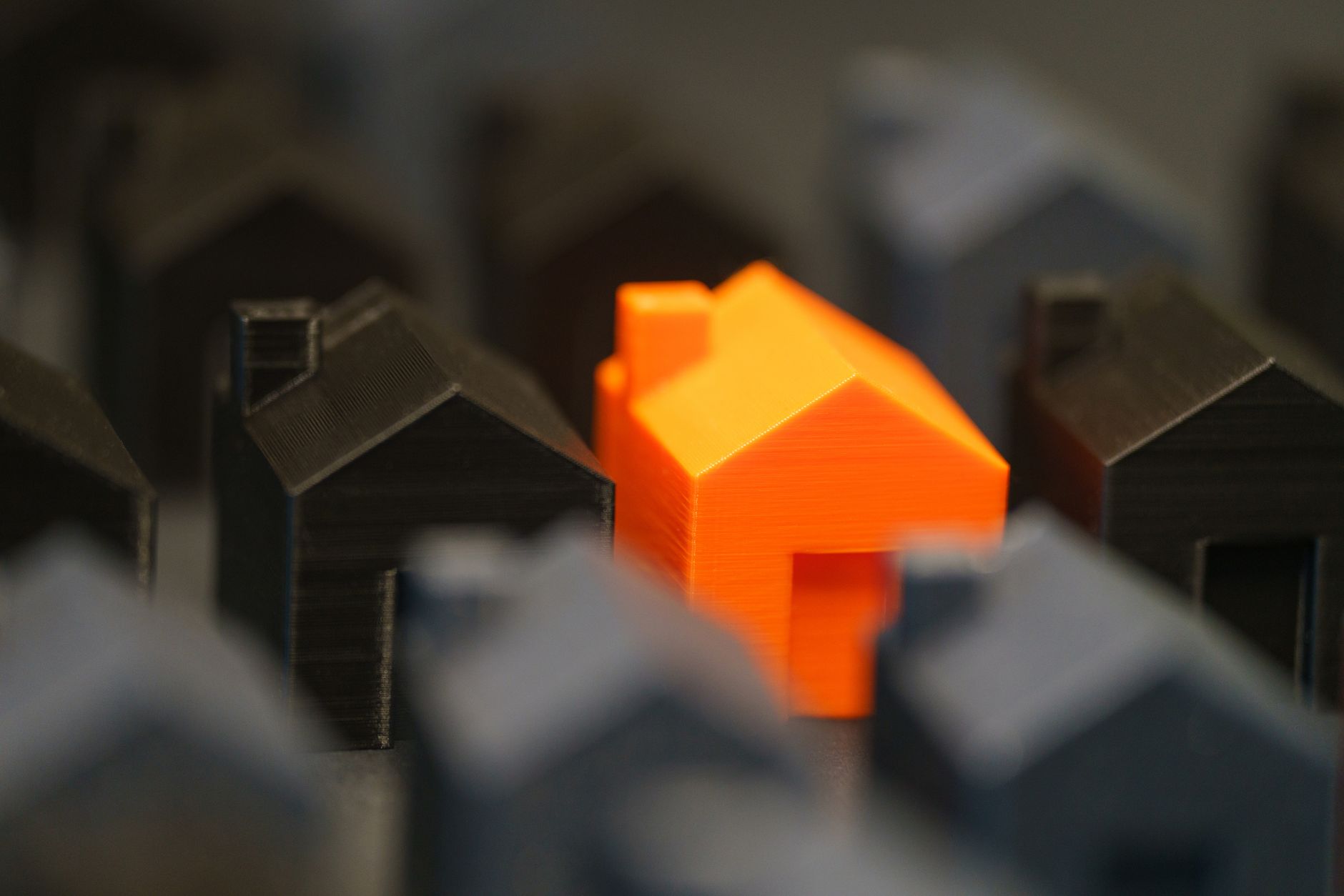
Photo by Jakub Zerdzicki on Pexels