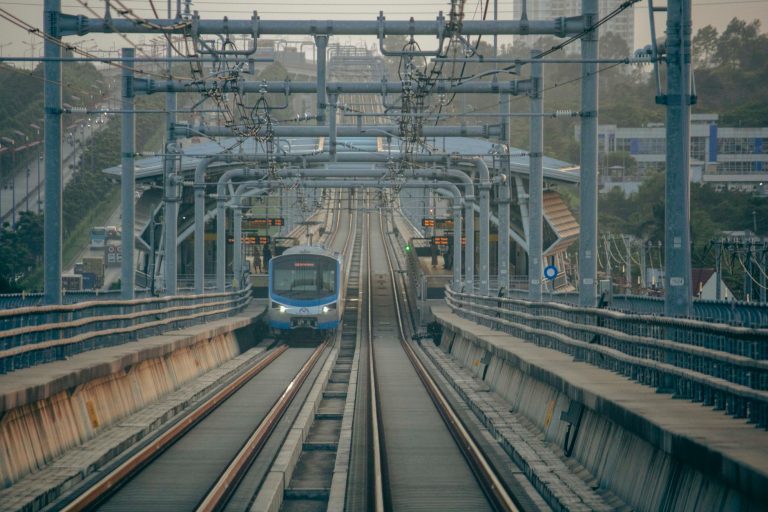


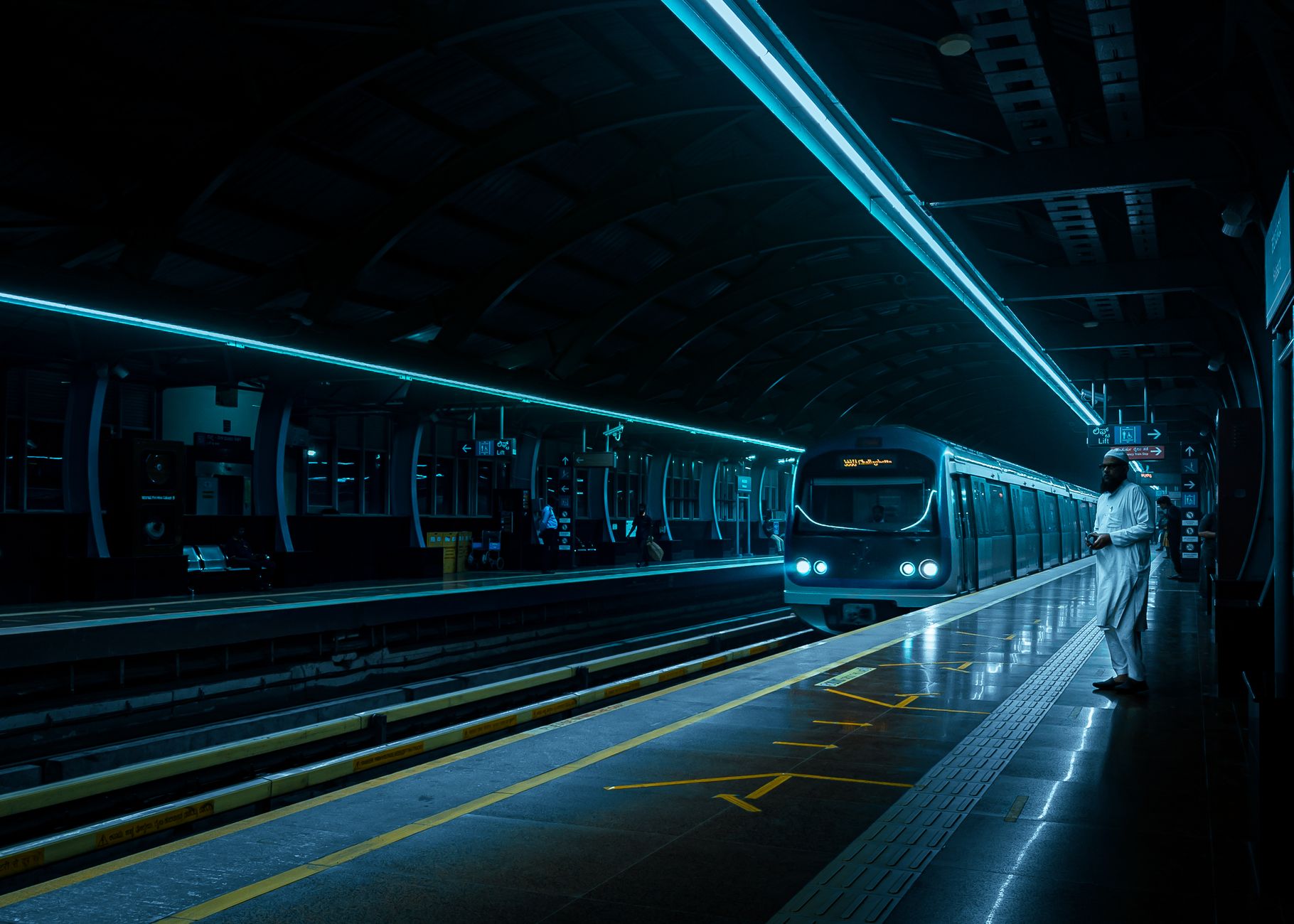
Bengaluru Metro Expansion is significantly delayed, particularly concerning the Sarjapur-Hebbal corridor. This article explores the factors contributing to these delays and their implications for the city’s infrastructure.
Overview of Bengaluru Metro Expansion
The Bengaluru Metro Expansion project has been a subject of much discussion and anticipation among city residents. As the city continues to grow, the need for an efficient and reliable public transport system has become more pressing. The current expansion aims to improve connectivity between key areas, reducing congestion and travel time for commuters.
One of the most awaited segments of this expansion is the Sarjapur-Hebbal corridor. This corridor is expected to significantly enhance connectivity between the southeastern and northern parts of Bengaluru. However, delays in its development have raised concerns among citizens and stakeholders alike.
Several factors contribute to the holdup of the Sarjapur-Hebbal corridor:
- Land Acquisition Issues: Complications in acquiring land for construction have hindered progress.
- Environmental Clearances: Compliance with environmental regulations has resulted in additional delays.
- Funding Challenges: Securing adequate financing for such a vast project poses significant obstacles.
- Construction Constraints: Traffic management and urban density have complicated construction logistics.
As the government and metro authorities work to address these challenges, residents remain hopeful that the Bengaluru Metro Expansion will ultimately lead to a more connected and efficient urban landscape.
Current Status of the Sarjapur-Hebbal Corridor
The current status of the Sarjapur-Hebbal corridor within the Bengaluru Metro Expansion project has raised significant concerns among commuters and city planners alike. Originally slated for completion in 2023, the corridor has faced multiple delays, prompting questions about its future.
Recent reports indicate that the primary reasons for the holdup include:
- Land Acquisition Issues: A considerable amount of the required land for the corridor remains unresolved, causing significant setbacks in construction schedules.
- Environmental Clearances: Prolonged processes in obtaining necessary environmental clearances have further complicated timelines, as compliance with regulations is paramount.
- Funding Challenges: Financial constraints and delays in securing adequate funding have also hindered the pace of progress on the project.
Despite these challenges, the Bangalore Metro Rail Corporation Limited (BMRCL) remains optimistic about overcoming these obstacles. The organization has initiated discussions with various stakeholders to expedite the resolution of these issues. Community leaders and local residents have voiced their concerns over the delays, emphasizing the urgent need for improved connectivity in the rapidly growing neighborhoods of Sarjapur and Hebbal.
As Bengaluru continues to expand, the successful completion of the Sarjapur-Hebbal corridor will play a critical role in easing traffic congestion and enhancing public transportation options in the city.
Factors Contributing to Delays
The expansion of the Bengaluru Metro has been a significant development in the city’s infrastructure, yet the Sarjapur-Hebbal corridor is facing notable delays. Several factors contribute to these setbacks, hindering timely progress.
- Land Acquisition Issues: One of the primary challenges has been the acquisition of land for the corridor. Delays in negotiations and disputes over compensation have stalled construction efforts.
- Regulatory Hurdles: The project is subject to numerous approvals from various governmental bodies. Any hold-up in obtaining these permits can lead to significant time loss.
- Environmental Concerns: The corridor passes through areas with sensitive ecosystems. Environmental clearances are essential, and concerns from local communities regarding ecological impact have added to the delay.
- Funding Issues: Securing adequate financing for such a large-scale project is crucial. Delays in funding releases can slow down construction schedules and planning.
- Technical Challenges: Unforeseen technical difficulties during construction also contribute to the timeline being pushed back. Engineering complexities can arise as work progresses.
These factors combined highlight the complexities involved in the Bengaluru Metro expansion, particularly for the Sarjapur-Hebbal corridor, making it imperative for stakeholders to address these issues to ensure timely completion.
Impact on Commuters and Local Residents
The ongoing delays in the Bengaluru Metro Expansion, particularly the Sarjapur-Hebbal corridor, are causing significant disruptions for both commuters and local residents. With the promise of reduced travel times and improved connectivity, many had high hopes for the new metro line. However, as the project continues to lag behind schedule, frustration is mounting among daily travelers.
Commuters who rely on public transport are experiencing longer travel times, leading to increased congestion on roadways. Many have had to resort to alternative modes of transportation, such as buses or private vehicles, which are often less efficient. This shift not only impacts individuals but also contributes to a rise in traffic jams across the city, exacerbating an already strained infrastructure.
Local residents are also feeling the effects of the delays. With construction activities at a standstill, they face prolonged disturbances from noise and dust, affecting their quality of life. Many community members have voiced concerns over safety, as incomplete construction sites can pose hazards in the area.
Furthermore, the uncertainty surrounding the Bengaluru Metro Expansion timeline has led to economic implications for local businesses that anticipated increased foot traffic once the corridor was operational. As the wait continues, both commuters and residents are left grappling with the consequences of the stalled project.
Future Plans for Bengaluru Metro
The future plans for the Bengaluru Metro Expansion include several strategic initiatives aimed at enhancing connectivity across the city. As urban congestion continues to rise, the expansion of the metro system is considered essential to facilitate efficient public transport.
Key future projects include:
- Additional Corridors: The introduction of new corridors is planned to link major residential and commercial areas, allowing for smoother transit across different parts of the city.
- Integration with Other Transport Modes: Future expansions aim to integrate the metro with bus and suburban rail services, creating a seamless travel experience for commuters.
- Expansion of Existing Lines: Existing metro lines will be extended to reach more neighborhoods, ensuring that underserved areas receive adequate public transportation options.
- Technological Upgrades: Future plans also include the implementation of advanced technology for ticketing and operational efficiency, which is expected to enhance overall user experience.
Despite the current delays in the Sarjapur-Hebbal corridor, the Bengaluru Metro Expansion remains a critical priority for city planners. Stakeholders believe that once the delays are resolved, the expanded metro network will significantly alleviate traffic woes and promote sustainable urban mobility.
Comparative Analysis with Other Metro Projects
The delay in the Sarjapur-Hebbal corridor has sparked discussions about the overall efficiency of metro projects across the country. A comparative analysis reveals that while some cities have managed to complete their expansions in a timely manner, Bengaluru Metro Expansion seems to be lagging behind.
Several factors contribute to this disparity, including:
- Project Management: Cities like Delhi and Mumbai have adopted stringent project management practices, which have ensured that timelines are adhered to.
- Funding and Investments: Adequate funding from state and central governments has played a critical role in expediting metro projects in other regions, whereas Bengaluru has faced financial hurdles.
- Land Acquisition: Complications in land acquisition processes have plagued the Sarjapur-Hebbal corridor, unlike in cities where such issues were resolved swiftly.
Furthermore, the technological advancements in other metro systems have allowed for faster construction techniques, which Bengaluru has yet to fully implement. For instance, the use of prefabricated materials has significantly reduced construction time in cities like Chennai.
As the city grapples with traffic congestion and commuter dissatisfaction, it becomes increasingly vital for the Bengaluru Metro Expansion to learn from these successful projects. This will not only help in mitigating current delays but also in establishing a more efficient framework for future expansions.
Government Response to Delays
The government has acknowledged the delays in the Bengaluru Metro Expansion, particularly concerning the Sarjapur-Hebbal corridor. In recent statements, officials emphasized their commitment to resolving the issues impacting the timeline of this essential project.
According to sources, several measures are being considered to expedite the process, including:
- Increased funding: The government is exploring options to allocate additional resources to ensure timely completion.
- Streamlined approvals: There is a push to simplify bureaucratic procedures that have contributed to the holdup.
- Enhanced communication: Authorities are promising better transparency and updates for stakeholders and the public regarding the progress of the project.
Government representatives have also highlighted the importance of public transport in urban planning, stating that the Bengaluru Metro Expansion is crucial for alleviating traffic congestion and improving air quality in the region. They reaffirmed their dedication to seeing the Sarjapur-Hebbal corridor completed, which is expected to significantly reduce travel time for commuters.
In response to public concerns, officials have pledged to engage with local communities to address grievances and keep residents informed about any future developments. As the situation evolves, the government remains hopeful that these steps will lead to a more efficient delivery of the metro expansion project.
Conclusion and Next Steps
In conclusion, the ongoing delays in the Bengaluru Metro Expansion, particularly concerning the Sarjapur-Hebbal corridor, highlight the complexities involved in large-scale infrastructure projects. As the city continues to grow, the need for an efficient public transport system becomes increasingly critical. The delays have not only frustrated commuters but have also raised concerns among local residents about accessibility and the economic impact on surrounding areas.
Moving forward, stakeholders must prioritize transparency and communication to rebuild public trust. Here are some suggested next steps:
- Streamline Approval Processes: The government should work on expediting the necessary clearances and approvals to facilitate faster progress.
- Strengthen Project Management: Engaging experienced project managers might help in identifying bottlenecks and ensuring timely completion.
- Increase Community Engagement: Regular updates and open forums can help address local concerns and keep residents informed about the project’s status.
- Allocate Additional Resources: Investing in more manpower and equipment could accelerate construction efforts.
Ultimately, resolving these challenges is essential not only for the Sarjapur-Hebbal corridor but also for the overall success of the Bengaluru Metro Expansion initiative. A well-planned and efficiently executed metro system can significantly enhance urban mobility and contribute to the city’s sustainable growth.
The Bengaluru Metro Expansion has faced significant challenges, particularly in the Sarjapur-Hebbal corridor. Stakeholders are concerned that the ongoing delays in the Bengaluru Metro Expansion could further impact the city’s traffic congestion issues.
Photo by vasuchandran mv on Pexels