


The Aqua Line Metro Rail project is set to revolutionize transit between Noida Sector 51 and Greater Noida Sector 4. This initiative aims to improve connectivity and reduce travel time for commuters.
Overview of the Aqua Line Metro Rail
The Aqua Line Metro Rail is a significant development in urban transportation, connecting key areas of Noida and Greater Noida. This project aims to enhance mobility and reduce traffic congestion in the region, making it an essential choice for daily commuters.
With a total length of approximately 29.7 kilometers, the Aqua Line will serve 21 stations, facilitating ease of travel between major sectors. The line is expected to provide a reliable and efficient mode of transport, significantly cutting down travel time compared to road transport.
One of the standout features of the Aqua Line Metro Rail is its modern design and advanced technology. It will incorporate state-of-the-art trains equipped with safety features and amenities to ensure a comfortable journey for passengers. Additionally, the system is designed to be environmentally friendly, promoting the use of public transportation over personal vehicles.
As the project progresses, there are several benefits anticipated for the region:
- Reduced Traffic Congestion: By providing an alternative to road travel, the Aqua Line Metro Rail is expected to alleviate traffic jams.
- Improved Connectivity: The line will connect various residential and commercial hubs, making commuting more convenient.
- Economic Growth: Enhanced transportation options can stimulate local businesses and attract investments.
Overall, the Aqua Line Metro Rail presents a promising solution for commuters looking for a dependable and efficient means of transportation.
Benefits of the Aqua Line
The Aqua Line Metro Rail presents several benefits that make it an attractive option for commuters in the region. With its seamless connectivity between Noida and Greater Noida, it aims to alleviate traffic congestion significantly.
Among the key advantages of the Aqua Line Metro Rail are:
- Reduced Travel Time: The Aqua Line is designed to enable faster commutes compared to traditional road transport, allowing passengers to reach their destinations in a timely manner.
- Environmentally Friendly: By promoting the use of public transportation, the Aqua Line aims to reduce carbon emissions, contributing to a cleaner environment.
- Enhanced Safety: The Metro system provides a safer alternative to road travel, with fewer accidents reported compared to cars and motorcycles.
- Cost-Effective: Commuters can save on fuel and parking costs, making the Aqua Line an economically viable choice for daily travel.
- Convenience: With multiple stops along its route, the Aqua Line ensures easy access to various commercial and residential areas, making it a practical option for many.
Given these benefits, the Aqua Line Metro Rail is poised to become a preferred choice for commuters seeking a reliable and efficient mode of transport in the region.
Key Features of the Project
The Aqua Line Metro Rail project boasts several key features that make it a significant development in the region’s public transportation landscape. These features are designed to enhance commuter experience and promote efficient travel.
- Route Coverage: The Aqua Line connects Noida Sector 51 to Greater Noida Sector 4, covering a distance of approximately 29.7 kilometers with 21 stations, ensuring convenient access for a large number of commuters.
- Modern Infrastructure: The stations are equipped with state-of-the-art facilities, including escalators, elevators, and ticket vending machines, providing a user-friendly environment for passengers.
- High Capacity: Designed to accommodate up to 60,000 passengers per hour, the Aqua Line aims to significantly reduce congestion on the roads and improve overall travel efficiency.
- Electric Trains: The project employs energy-efficient electric trains, contributing to a reduction in carbon emissions and promoting environmentally friendly transportation.
- Integration with Other Transport Modes: The Aqua Line Metro Rail will seamlessly connect with existing bus and auto-rickshaw services, making it easier for commuters to switch modes of transport.
These features not only enhance the functionality of the Aqua Line Metro Rail but also underline its potential to become a preferred choice for daily commuters in the region.
Timeline for Completion
The Aqua Line Metro Rail project has been a significant development in the region, aiming to enhance connectivity between Noida and Greater Noida. The timeline for completion has been a topic of interest among commuters and stakeholders alike.
The project was officially approved by the cabinet, marking a major milestone in urban transport for the area. The construction of the Aqua Line Metro Rail is expected to proceed in several phases:
- Phase 1: Initial groundwork and site preparation began in early 2021, with significant focus on environmental assessments and land acquisition.
- Phase 2: The construction of major infrastructure, including stations and tracks, commenced in late 2021, with an anticipated completion date set for mid-2024.
- Phase 3: Testing and commissioning of the Aqua Line Metro Rail services is scheduled for late 2024, ensuring that all safety and operational standards are met.
- Final Phase: The official inauguration is expected in early 2025, allowing commuters to enjoy the benefits of this new transport system.
The Aqua Line Metro Rail promises to revolutionize the commuting experience in the region, streamlining travel and reducing congestion on the roads. As the completion dates approach, anticipation continues to build among the public.
Financial Aspects of the Project
The financial aspects of the Aqua Line Metro Rail project play a crucial role in determining its viability and sustainability for commuters. With a total estimated cost of approximately ₹6,000 crore, the project is expected to be funded through a combination of government grants and loans, along with revenue generated from ticket sales and advertisements.
Investing in the Aqua Line Metro Rail is seen as a strategic move to enhance public transportation in the region. The government anticipates that the metro line will not only reduce traffic congestion but also spur economic growth in surrounding areas. Here are some key financial considerations:
- Cost-Benefit Analysis: The projected benefits, including reduced travel time and increased property values, are expected to outweigh the initial costs.
- Funding Sources: The project will receive significant funding from both state and central governments, ensuring financial stability during construction.
- Long-term Sustainability: The Aqua Line Metro Rail aims to generate sustainable revenue through ticket sales, which is crucial for its operational costs in the long run.
In conclusion, while the upfront costs of the Aqua Line Metro Rail are substantial, the potential economic benefits and improved commuting experience suggest that it may be a worthy investment for the region’s future.
Public Response and Expectations
The public response to the Aqua Line Metro Rail has been largely positive, with many commuters expressing excitement about the new transportation option. As the completion date draws closer, expectations are high for a service that promises to ease traffic congestion in the region.
Residents of Noida and Greater Noida have been vocal about their hopes for the Aqua Line Metro Rail to provide a reliable and efficient mode of transport. Many believe it will significantly reduce travel time between the two areas, which have historically faced heavy traffic issues.
In a recent survey, commuters shared their thoughts on the Aqua Line, highlighting several key expectations:
- Improved Connectivity: Many anticipate better links to existing metro lines and bus services, making it easier to navigate the city.
- Affordability: Commuters hope that ticket prices will remain reasonable, ensuring the service is accessible to all.
- Safety and Security: With rising concerns about safety, many expect the Aqua Line to feature modern security measures to protect passengers.
- Frequency of Service: Regular and timely trains are a crucial expectation, which would enhance overall user experience.
As the Aqua Line Metro Rail progresses, it will be interesting to see if it meets the high expectations set by the public.
Future Expansion Plans
The Aqua Line Metro Rail has already made significant strides in enhancing connectivity in the region, but its future expansion plans are poised to take it even further. The authorities have outlined a strategic vision that aims to extend the network to serve a larger population and facilitate smoother commuting experiences.
Future phases of the Aqua Line Metro Rail are expected to include the following key expansions:
- Extension to Sector 62: This will connect IT hubs and educational institutions, providing a vital link for professionals and students.
- Link to Greater Noida West: A proposed route will cater to the growing residential areas, significantly reducing travel times for residents.
- Integration with existing transportation: Plans are underway to connect the Aqua Line with bus terminals and other metro lines, creating a seamless travel experience.
- Increased frequency and capacity: Enhancements to the current trains and schedules will accommodate a higher number of passengers, ensuring that the system remains efficient.
These ambitious expansion plans reflect a commitment to making the Aqua Line Metro Rail a central part of the region’s transportation infrastructure. As development progresses, stakeholders are optimistic that these improvements will not only enhance commuter convenience but also positively impact local economies.
Conclusion on Metro Rail Impact
In conclusion, the Aqua Line Metro Rail represents a significant advancement in the public transportation landscape for the region. As urban areas continue to expand, the demand for efficient and reliable commuting options grows. The introduction of the Aqua Line Metro Rail is poised to address this need effectively.
The positive impact of the Aqua Line can be observed through various lenses. Firstly, the reduction in traffic congestion is expected to significantly ease the daily commute for residents. By providing an alternative to road travel, it not only enhances travel times but also contributes to reducing pollution levels in the region.
Moreover, the Aqua Line Metro Rail is designed to cater to a diverse range of commuters, including students, professionals, and tourists. Its accessibility features ensure that it is user-friendly for everyone, including those with disabilities. With stations strategically located to serve key areas, this metro line will enhance connectivity and encourage the use of public transport.
Furthermore, the anticipated economic uplift in the areas surrounding the Metro stations cannot be overlooked. Increased accessibility often leads to greater business opportunities and property value appreciation. As the Aqua Line Metro Rail begins operations, its long-term benefits will likely confirm its status as an essential component of the region’s transportation framework.
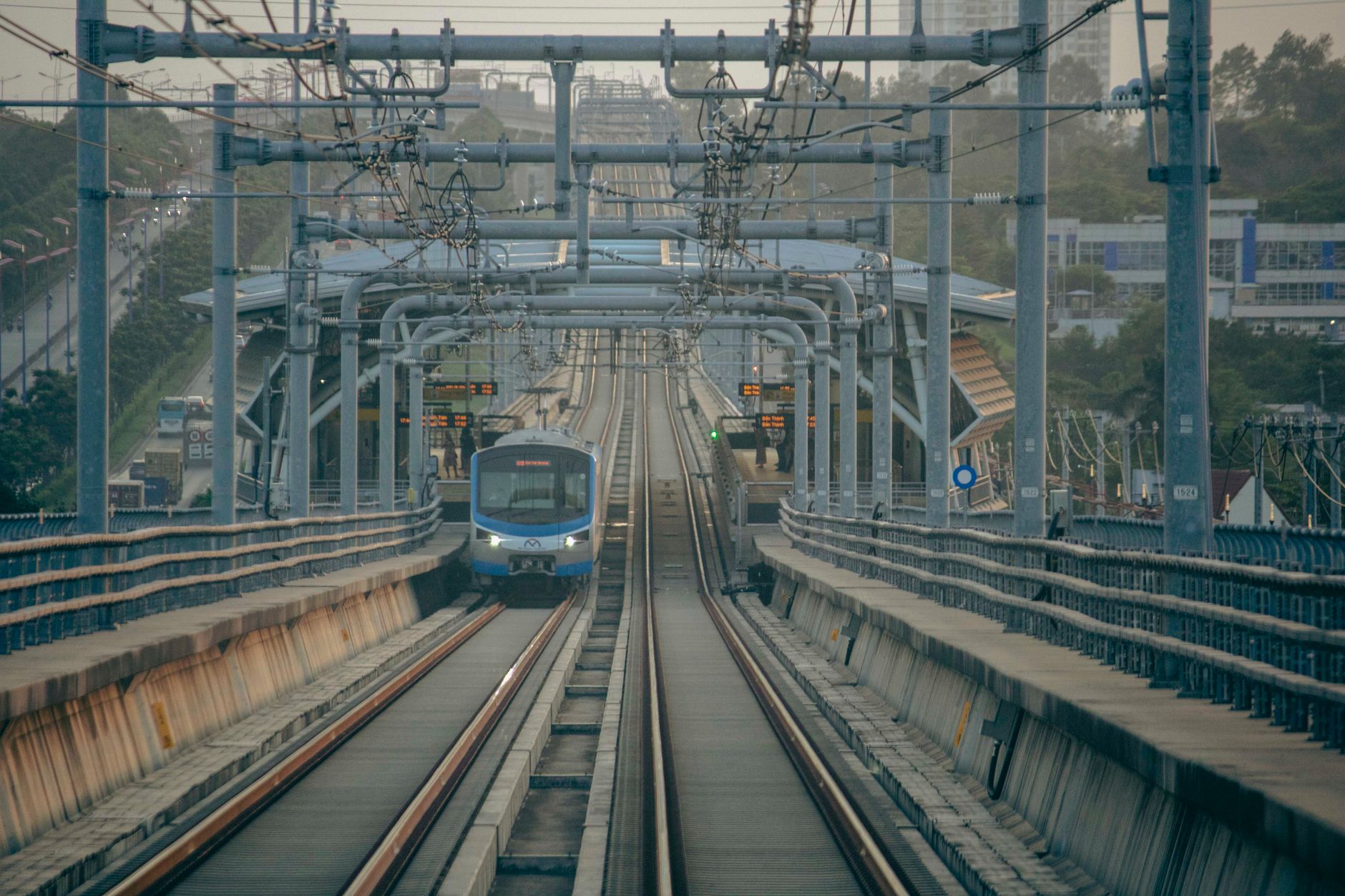
Photo by 9 1 on Pexels