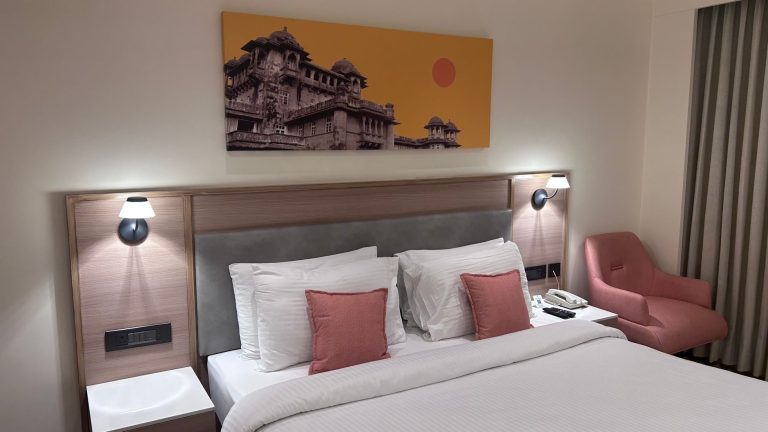



Cygnett Hotels expansion plan is set to revolutionize the hospitality landscape by targeting 10,000 hotel rooms by 2031.
Overview of Cygnett Hotels
Cygnett Hotels, a prominent player in the hospitality industry, has unveiled an ambitious expansion plan aimed at significantly increasing its market presence. With a target of reaching 10,000 hotel rooms by 2031, the company is set to capitalize on the growing demand for quality accommodation across various regions.
The brand has established itself as a reliable choice for both leisure and business travelers, offering a range of services tailored to meet diverse customer needs. Cygnett Hotels’ strategy emphasizes not only the expansion of their physical footprint but also the enhancement of customer experience through innovative services and sustainable practices.
Key aspects of the Cygnett Hotels expansion plan include:
- Geographic Diversification: Targeting new markets in emerging cities where hospitality demand is on the rise.
- Partnerships: Collaborating with local businesses and investors to facilitate smooth entry into new regions.
- Technological Integration: Implementing cutting-edge technology to streamline operations and improve guest interactions.
As the company embarks on this growth trajectory, it aims to maintain its commitment to quality and customer satisfaction, ensuring that it remains a top choice for travelers in the years to come.
Key features of the expansion plan
Cygnett Hotels has unveiled a comprehensive expansion plan that highlights key features aimed at achieving its ambitious goal of 10,000 hotel rooms by 2031. This initiative is built on a proven growth strategy that has already shown success in various markets.
- Strategic Locations: The expansion will focus on prime locations across key cities and popular tourist destinations to maximize visibility and accessibility.
- Diverse Offerings: Cygnett Hotels aims to introduce a range of hotel categories, from budget-friendly options to premium properties, catering to diverse customer preferences and needs.
- Franchise Model: The plan includes a robust franchise model, allowing for quicker scaling and local partnerships to enhance brand presence.
- Technology Integration: A commitment to incorporating advanced technology in operations and customer service will improve guest experiences and operational efficiency.
- Sustainability Focus: The expansion will emphasize eco-friendly practices, aligning with global trends towards sustainability in the hospitality industry.
Through these strategic elements, the Cygnett Hotels expansion plan is set to not only increase room capacity but also establish a stronger market presence, reinforcing the brand’s commitment to quality and customer satisfaction.
Impact on the hospitality market
The recent announcement of the Cygnett Hotels expansion plan is set to significantly impact the hospitality market. With a target of reaching 10,000 hotel rooms by 2031, Cygnett is positioning itself as a formidable player in the industry. This ambitious growth strategy is expected to create numerous opportunities for both investors and travelers alike.
As Cygnett Hotels expands, several key effects on the market are anticipated:
- Increased Competition: With more Cygnett properties entering the market, existing hotels may need to enhance their services and pricing strategies to remain competitive.
- Job Creation: The expansion plan is likely to generate thousands of jobs across various sectors, including hospitality, management, and maintenance.
- Boost to Local Economies: New hotels can stimulate local businesses, from restaurants to retail, as the influx of guests increases demand for services.
- Enhanced Travel Options: More hotel rooms will provide travelers with greater choices, catering to diverse preferences and budgets.
In summary, the Cygnett Hotels expansion plan not only aims for growth but also promises to reshape the hospitality landscape, benefiting both operators and consumers in the long run.
Future of hotel accommodations
The future of hotel accommodations is being reshaped by innovative strategies and ambitious growth plans, notably those of Cygnett Hotels. As the hospitality industry evolves, the demand for diverse and accessible lodging options continues to rise. Cygnett Hotels’ expansion plan aims to address this need by targeting an impressive goal of 10,000 hotel rooms by 2031.
With a focus on quality and affordability, Cygnett Hotels is poised to capture a significant share of the market. The company is set to introduce a variety of new properties across multiple regions, enhancing their presence in both urban and rural areas. This approach not only caters to leisure travelers but also appeals to business professionals seeking convenient accommodations.
Furthermore, Cygnett’s commitment to sustainable practices will likely resonate with environmentally conscious guests. The incorporation of green technologies and eco-friendly practices into their hotels aligns with the growing trend of responsible travel.
As Cygnett Hotels progresses with its expansion plan, the hospitality sector can expect increased competition and innovation. The company’s strategic initiatives may well redefine customer expectations, driving other brands to adapt and evolve in order to meet the changing landscape of hotel accommodations.
Challenges in hotel expansion
The expansion of Cygnett Hotels is not without its challenges, as the company embarks on its ambitious growth strategy. With a target of 10,000 hotel rooms by 2031, several hurdles must be addressed to ensure successful implementation.
- Market Competition: The hospitality industry is highly competitive, with numerous established players. Cygnett Hotels will need to carve out a unique niche to attract guests and differentiate itself from rivals.
- Regulatory Hurdles: Navigating local regulations, zoning laws, and obtaining necessary permits can delay project timelines. Each new market may present unique legal challenges that require careful attention.
- Financing: Securing funding for such an expansive plan can be daunting. Cygnett Hotels must present a compelling business case to attract investors willing to support the ambitious expansion plan.
- Sustainability Concerns: Growing awareness of climate change and sustainability is affecting consumer preferences. Cygnett Hotels must integrate eco-friendly practices into their expansion to meet the expectations of environmentally conscious travelers.
Addressing these challenges will be crucial for Cygnett Hotels as it moves forward with its expansion plan, ensuring that growth is not only rapid but also sustainable and profitable.
Cygnett Hotels’ vision for 2031
Cygnett Hotels is poised to redefine its presence in the hospitality industry with a forward-thinking vision for 2031. The company’s ambitious expansion plan aims to reach a target of 10,000 hotel rooms, which reflects its commitment to growth and innovation. This strategic move is not just about increasing numbers; it aligns with Cygnett’s core values of providing exceptional service and quality accommodations.
As part of this vision, Cygnett Hotels plans to focus on:
- Sustainable Practices: Implementing eco-friendly initiatives to minimize the environmental impact of hotel operations.
- Technology Integration: Enhancing guest experiences through advanced technology solutions and seamless service.
- Diverse Locations: Expanding into both urban and rural areas to cater to a wider demographic of travelers.
- Community Engagement: Building strong ties with local communities to foster a sense of belonging among guests.
With this expansion plan, Cygnett Hotels not only aims to increase its footprint but also to ensure that each new location embodies the brand’s dedication to quality and service. The future looks bright as Cygnett Hotels charts its course toward becoming a leader in the hospitality sector by 2031.
The Cygnett Hotels expansion plan is set to enhance its presence in key markets, reflecting a commitment to strategic growth. By leveraging the proven growth strategy, the company aims to attract a diverse clientele across various regions.
Photo by Emadul Islam Akash on Pexels