

A thoughtfully designed wine cellar can transform an unused corner of a home into an elegant display and a practical storage space. Whether you have a growing collection or want to incorporate a distinctive architectural feature into your property, custom wine storage offers flexibility in layout, materials, and presentation.
In Florida, however, creating a successful wine cellar involves more than selecting attractive racks. Warm temperatures, high humidity, and coastal conditions make careful planning especially important. Understanding these factors before construction begins can help homeowners create a space that complements their interiors while providing suitable conditions for long-term wine storage.
Understand Florida’s Climate Before Choosing a Design
Florida’s warm, humid environment presents particular challenges for wine storage. Frequent temperature fluctuations and uncontrolled moisture can affect wine quality, while condensation may damage surrounding walls, finishes, and cabinetry.
A properly planned cellar should include suitable insulation, moisture protection, sealed doors, and a cooling system designed for the specific space. Temperature and humidity requirements should be considered together rather than treating cooling as an isolated feature.
Many wine collections are stored at approximately 55°F, although the appropriate conditions can vary depending on storage goals. Consistency is particularly important for wines intended to be kept for extended periods.
Consulting professionals familiar with Florida’s climate can help determine the right construction approach for your property.
Select a Location That Makes Practical Sense
The available space often determines the direction of a custom wine cellar project. Fortunately, homeowners do not necessarily need a large dedicated room to create an attractive wine display.
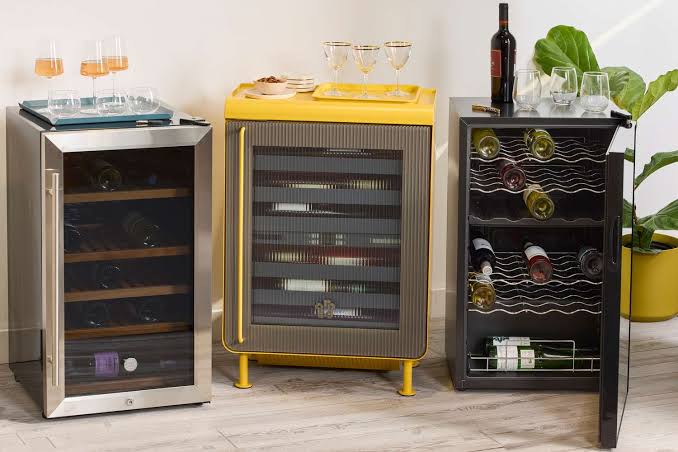
An under-stair area can accommodate a compact collection without requiring an entirely new room. A dining room may provide an opportunity for a glass-enclosed wine wall, while a spare room could be converted into a dedicated storage area.
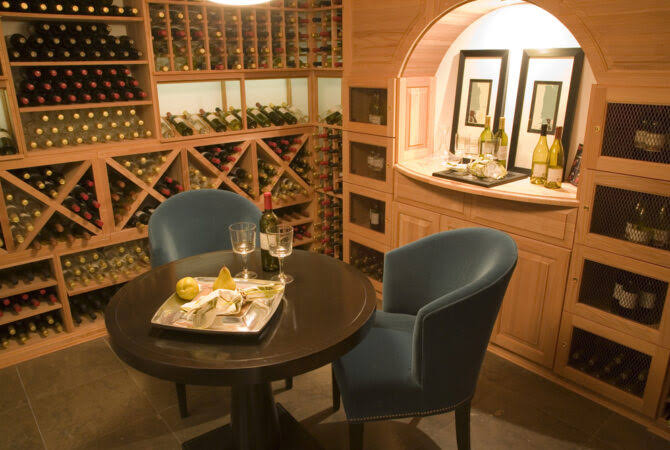
Larger properties may have enough space for a walk-in cellar with dedicated tasting or entertaining areas. Condominiums and smaller homes can benefit from carefully planned vertical displays that make efficient use of limited floor space.
Before choosing a location, evaluate its dimensions, accessibility, electrical requirements, ventilation possibilities, and proximity to other living areas. These details can influence both the construction budget and the final design.
Choose Materials That Complement Your Interior
Wine cellar design should feel connected to the architecture of the surrounding home. The right combination of materials, lighting, and bottle presentation can make the collection an attractive focal point rather than a separate storage feature.
Wood racking offers a warm, traditional appearance, while metal systems can create a clean, contemporary aesthetic. Glass enclosures provide visual openness and allow collections to remain visible from adjacent rooms.
Material selection also matters in Florida, where humidity and coastal exposure may affect the durability of certain finishes and hardware. Choosing appropriate materials and protective finishes can help maintain the cellar’s appearance over time.
Lighting deserves equal consideration. Low-heat LED fixtures can highlight bottle labels and architectural details without introducing unnecessary heat. Thoughtful placement can create visual interest while keeping the overall environment functional.
Plan Storage Capacity Around Your Collection
Before selecting a racking system, estimate how many bottles you currently own and how much your collection may grow. Designing exclusively around present requirements can leave insufficient room for future additions.
Consider the types of bottles you intend to store, as different bottle shapes may require different rack dimensions. Display shelves can showcase selected bottles, while individual storage compartments help organize the remainder of the collection.
Accessibility is another important consideration. Frequently accessed bottles should be easy to reach, while longer-term storage areas can be arranged to maximize available space.
For restaurants and hospitality venues, storage planning may also involve inventory organization, staff access, and the presentation of selected bottles to guests.
Integrate Climate Control Into the Construction Plan
Cooling equipment should be considered early in the design process rather than added after the room is finished. The system must be suitable for the cellar’s size, insulation, glass exposure, and surrounding environmental conditions.
In Florida, a glass-fronted cellar may require additional planning because sunlight and heat transfer can increase the cooling load. Insulated glazing, properly sealed doors, and appropriate vapor barriers help support a stable environment.
Professional planning should also address equipment placement, airflow, drainage where required, and access for future maintenance. These details can help reduce operational difficulties after installation.
A qualified designer or contractor can coordinate these requirements with the home’s broader construction or renovation plans.
Work With Specialists to Bring the Design Together
A custom wine cellar involves several connected decisions, from architectural layout and bottle capacity to cooling, lighting, and installation. Coordinating these elements early can help prevent expensive changes during construction.
Homeowners exploring options to build a custom wine cellar in Florida can review the design solutions offered by Millesime Modern Cellars. Its Florida-focused offerings include modular and customizable wine storage systems for residential interiors and hospitality settings, with options for different layouts and finishes.
Reviewing design possibilities, discussing the intended collection size, and coordinating with experienced local professionals can help establish a realistic project scope before work begins.
Create a Cellar That Balances Style and Function
A successful wine cellar should reflect the homeowner’s preferences while meeting the practical demands of wine storage. Location, material selection, storage capacity, and climate management all contribute to the final result.
By addressing these elements during the planning stage, Florida homeowners can create wine storage that integrates naturally into their interiors and serves their needs over time. Careful preparation helps turn an attractive design concept into a functional, well-considered addition to the home.