

A yard doesn’t need a complete redesign to look better or become more useful. Sometimes the biggest improvements come from fixing areas that have been neglected, replacing materials that no longer work well, or making better use of the space already available. A narrow walkway, an overgrown planting bed, or a poorly defined patio can affect how the entire property looks and functions.
For Colorado homeowners, landscaping improvements also need to account for dry summers, changing temperatures, and the amount of maintenance a property requires. Choosing materials suited to those conditions can make outdoor spaces easier to manage while giving the yard a more finished appearance. The following five improvements can work individually or as part of a larger landscaping project.
1. Give Your Garden Beds Better Definition
Planting beds can lose their shape over time as grass spreads into the soil and mulch gradually moves beyond the original boundaries. Even healthy plants may look untidy when there isn’t a clear separation between the garden and the surrounding lawn or walkway.
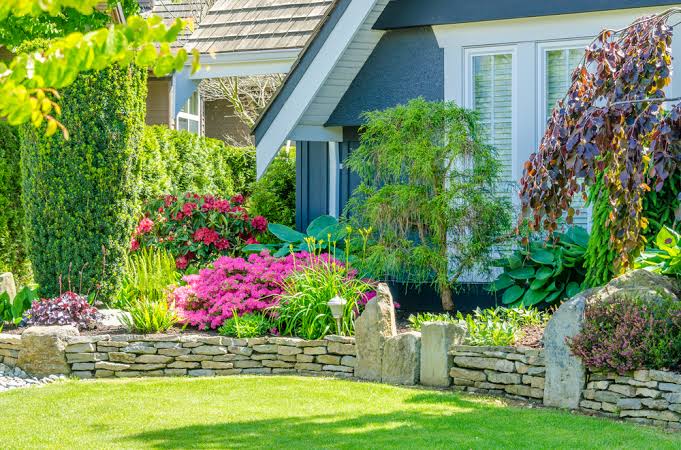
Adding a defined edge can make a noticeable difference without changing the existing plants. Natural stone borders are one option, particularly for homeowners who prefer materials that complement the surrounding landscape. Smaller pieces of walling stone can follow curved garden beds, while larger rocks work well where a more substantial boundary is appropriate. Stone also provides flexibility in color and texture, allowing the finished edge to blend with existing patios or other landscape features.
The installation should reflect what the border needs to accomplish. A decorative edge separating mulch from grass has different requirements from a raised bed holding back several inches of soil. For sloped areas, drainage and soil movement should also be considered before placing heavier materials.
2. Replace Worn Walkways With More Practical Paths
Walkways receive daily use, yet they’re easy to overlook until the surface becomes uneven or the route no longer fits how people move through the yard. A narrow path may force visitors onto the lawn, while stepping stones placed too far apart can become inconvenient when carrying groceries or moving equipment.
Improving the layout can make the property easier to navigate. A direct route between frequently used entrances may be more practical than a decorative curve, while a garden path can follow planting beds and existing trees. Natural flagstone offers flexibility for both approaches because it is available in irregular and dimensional pieces.
For Colorado properties, the supporting base matters as much as the surface material. Seasonal freezing and thawing can contribute to movement when drainage is poor or the ground beneath the path hasn’t been prepared correctly. Walkways used throughout the winter should also have reasonably even surfaces that are easier to clear of snow.
A well-planned path should feel like a natural part of the yard rather than an obstacle people have to work around.
3. Make Better Use of Empty or Awkward Spaces
Many yards have areas that receive little attention because they’re difficult to mow or don’t seem useful. A narrow strip beside the driveway, a dry corner near the fence, or a slope behind the house can become a maintenance problem when the original landscaping doesn’t suit the location.
Before adding new plants or materials, consider what the area could realistically support. A sunny, exposed section of the yard may be better suited to drought-tolerant plants and decorative stone than a patch of grass that requires frequent watering. On sloped ground, larger rocks and properly designed planting areas may help create a more manageable landscape, although erosion concerns should be evaluated before making changes.
Boulders can also provide structure in spaces where additional planting would create more maintenance than the homeowner wants. Their size and irregular shapes allow them to serve as permanent landscape features, particularly when positioned among native grasses or other plants suited to Colorado’s climate. The goal is to give these spaces a purpose that fits their conditions. Trying to maintain the same lawn or planting arrangement throughout an entire property can create unnecessary work when sunlight, drainage, and soil conditions vary from one area to another.
4. Create a Comfortable Outdoor Seating Area
An outdoor seating area doesn’t need to be large to become one of the most frequently used parts of a yard. A small patio near the house can provide room for a table and chairs, while a separate seating space farther into the garden may offer a quieter place to spend time outside.
The location should be chosen with daily use in mind. Afternoon sun can make an exposed patio uncomfortable during Colorado summers, and a seating area placed too far from the house may be inconvenient for meals or entertaining. Privacy and access from existing walkways also deserve consideration. Natural stone can provide a durable surface when the material and installation are appropriate for paving. Irregular flagstone creates a relaxed appearance, while dimensional stone offers cleaner lines for homeowners who prefer a more structured design. The finished surface should be stable enough for outdoor furniture, with drainage planned to prevent water from collecting near the home.
A seating area becomes more useful when its size and layout match how the household intends to use it. Leaving adequate space around furniture and providing a comfortable route from the house can matter more than adding elaborate decorative features.
5. Bring More Variety Into the Landscape
A yard made up entirely of lawn and a few shrubs can feel unfinished, even when everything is maintained. Introducing differences in height, texture, and planting areas can make the space more interesting without requiring a complicated design.
Natural stone offers several ways to introduce that variety. A few well-positioned boulders can establish a focal point, while a low stone wall may provide separation between planting areas and an outdoor seating space. Gravel and decorative rock can also create contrast around plants, although the material should be chosen with drainage and maintenance in mind. Plants contribute another layer of texture. Combining grasses with shrubs of different heights can create a landscape that changes throughout the growing season. For Colorado homeowners, selecting plants suited to the site’s sunlight and water conditions can reduce the amount of attention needed to keep those areas healthy. The strongest designs generally leave room for individual features to stand out. Filling every open space with additional plants or decorative materials can make a yard feel crowded and create more work than expected.
Making Landscaping Improvements That Last
Improving a landscape begins with understanding which areas need attention and how the property is used. A homeowner who spends most evenings on the patio may benefit more from improving that space than replacing healthy planting beds. Someone dealing with drainage problems should address those conditions before investing in new paving or decorative materials.
Projects can also be completed in stages. Establishing walkways and other permanent features first gives homeowners a clearer framework for future planting and decorative improvements. It also reduces the likelihood of disturbing newly finished areas when larger work begins.
For homeowners and contractors planning projects in Northern Colorado, The Rock Garden in Fort Collins supplies natural stone materials for patios, garden borders, retaining walls, and decorative landscape features. Its selection includes flagstone, walling stone, and landscape boulders that can be incorporated into a range of residential designs.
Thoughtful landscaping improvements should make a property more comfortable to use and easier to maintain. Choosing materials appropriate for the site and addressing practical concerns early can help homeowners get more value from the work they put into their outdoor spaces.