




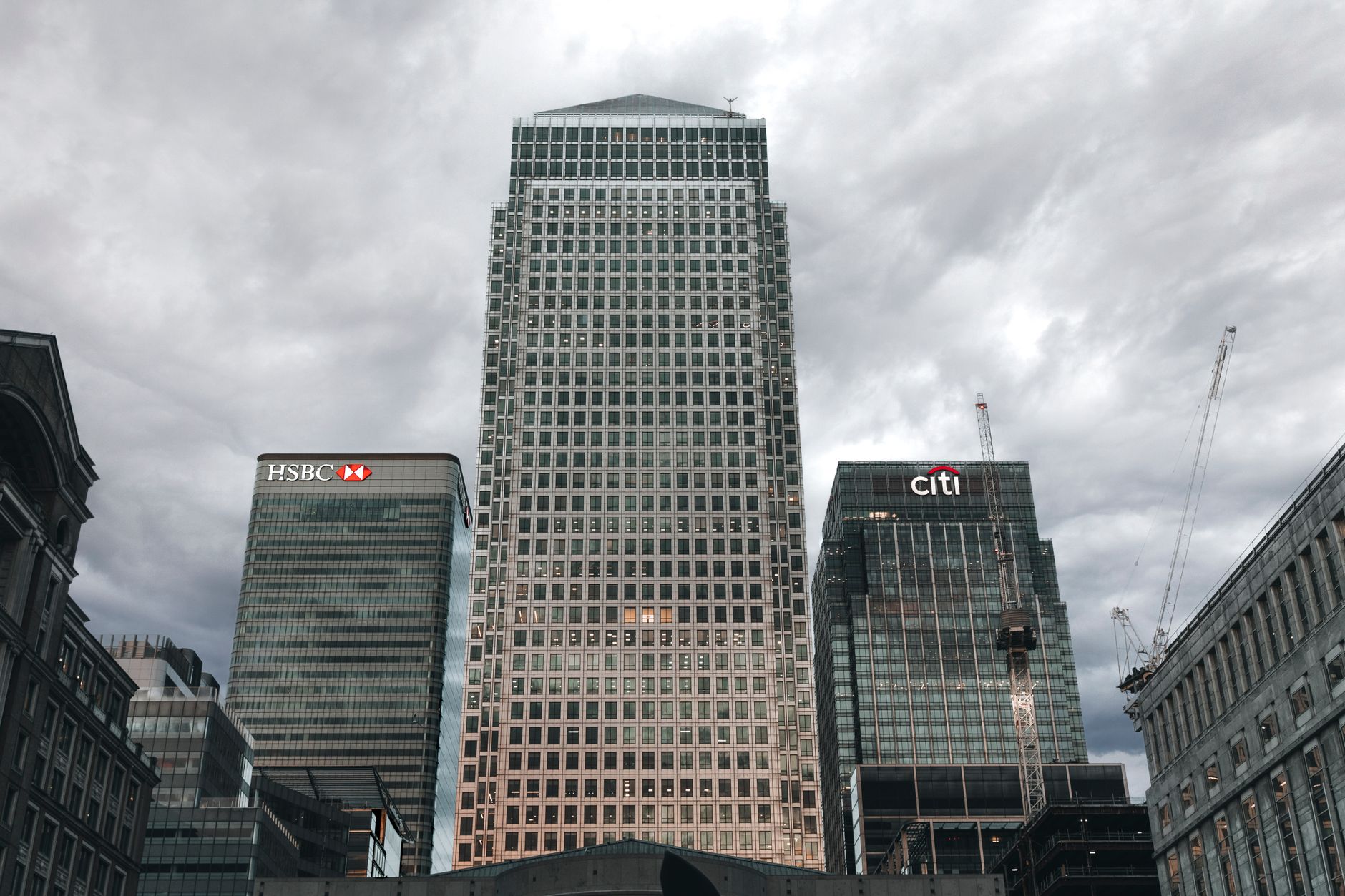
UK inflation rise has reached 3.1%, significantly impacting the real estate sector. With motor fuel prices surging, the cost of living is influencing housing market dynamics.
Understanding the UK Inflation Rise
The recent surge in UK inflation has become a significant concern for both consumers and investors. As of the latest figures, inflation has risen to 3.1%, driven mainly by a dramatic increase in motor fuel prices, which have skyrocketed by nearly a quarter. This sharp rise in inflation is impacting various sectors, but none more so than real estate.
Understanding the UK inflation rise is crucial for grasping its broader economic implications. Several factors contribute to this trend, including:
- Increased demand for essential goods and services as the economy recovers.
- Supply chain disruptions that have led to shortages and higher prices.
- Higher energy costs affecting transportation and production.
As inflation continues to climb, the real estate market feels the pressure. Rising costs can lead to decreased purchasing power for potential buyers, making home ownership less attainable. Additionally, landlords may struggle to keep up with rising costs, which could ultimately impact rental prices.
As the situation develops, understanding the nuances of the UK inflation rise will be essential for stakeholders in the real estate sector, as they navigate the challenges posed by this economic shift.
Effects of Inflation on Real Estate
The recent UK inflation rise has significant implications for the real estate market, affecting both property prices and rental rates. As inflation reaches 3.1%, driven primarily by soaring motor fuel prices, the ripple effects are felt across various sectors, especially housing.
One of the most immediate impacts of inflation is the increase in construction costs. With materials becoming more expensive, developers may be forced to raise prices for new homes, making them less affordable for potential buyers. This could lead to a slowdown in new housing projects, exacerbating the existing housing shortage.
Furthermore, the rise in inflation can influence interest rates. As the Bank of England responds to inflationary pressures, mortgage rates may increase, further straining homebuyers’ budgets. Higher borrowing costs can deter first-time buyers and those looking to move up the property ladder, resulting in lower demand.
Rental markets are also affected, as landlords may raise rents to keep pace with rising costs. This could lead to increased financial strain on tenants, particularly those already struggling with high living expenses.
In summary, the UK inflation rise poses serious challenges for real estate, impacting affordability, demand, and overall market stability.
How Fuel Prices Influence Housing
The recent rise in UK inflation, which now stands at 3.1%, can be largely attributed to the significant jump in motor fuel prices. As fuel costs surged by almost a quarter, the ripple effects are being felt throughout various sectors, particularly in real estate.
Fuel prices play a critical role in the housing market for several reasons:
- Transportation Costs: Increased fuel prices elevate the cost of commuting, which can lead to potential buyers reevaluating their choices. Areas with higher transportation expenses may see a decline in demand, affecting property values.
- Construction Expenses: The cost of building materials and transportation of those materials has risen due to inflated fuel prices. This impacts the overall cost of new developments, leading to higher prices for buyers.
- Market Sentiment: Rising fuel prices can create uncertainty in the housing market, as potential buyers may hesitate to make significant financial commitments during periods of high inflation.
As the UK inflation rise continues to influence various aspects of daily life, the housing market is not immune to its effects. Homebuyers and investors must remain vigilant, as fluctuations in fuel prices can have lasting implications for real estate investment strategies.
Current Trends in the Property Market
The property market in the UK is currently experiencing significant fluctuations, largely attributed to the recent inflation rise. As inflation hits 3.1%, the impact on real estate is becoming increasingly evident.
Real estate experts are observing several current trends that are reshaping the market:
- Decreased Buyer Confidence: Rising inflation has led to uncertainties regarding future economic stability, causing potential buyers to hesitate.
- Increased Property Prices: As construction costs rise due to inflation, many developers are passing these costs onto consumers, making homes less affordable.
- Shift in Rental Demand: With rising costs, more individuals are opting to rent rather than buy, leading to increased competition in the rental market.
- Impact on Investment: Investors are reevaluating their portfolios, with some pulling back from real estate, concerned about the long-term effects of inflation on property values.
Overall, the current trends in the UK property market illustrate the profound effects that the inflation rise is having on both buyers and sellers. As the economic landscape evolves, stakeholders will need to adapt to these changes to navigate the challenges ahead.
The UK inflation rise has led to increased borrowing costs, making homeownership less attainable for many prospective buyers. Consequently, the UK inflation rise is causing a slowdown in the real estate market, with property values beginning to stabilize or even decline in some areas.
Photo by Andrea De Santis on Pexels