



A false ceiling can change the character of a room without altering its footprint. It can conceal wiring, organise lighting, improve visual proportions, and create a cleaner finished surface. Yet the material behind that finish matters as much as the design itself. Choosing only by appearance or initial price can create maintenance problems later. A reliable false ceiling manufacturer can help buyers understand the performance differences between materials, but the final choice should always reflect the room’s conditions, usage, installation method, and long-term budget.
Start With the Room, Not the Material
Before selecting ceiling boards, tiles, or panels, first assess the room. A material suitable for a bedroom may not perform equally well in bathrooms, kitchens, offices, or retail spaces.
Ask a few practical questions first:
- Is the room exposed to moisture or temperature changes?
- Is regular access to electrical or mechanical services required?
- Is sound control important?
These questions narrow the field considerably. They also prevent a common mistake: selecting a material first and trying to make the room adapt to it.
Gypsum Board: Flexible for Creative Designs
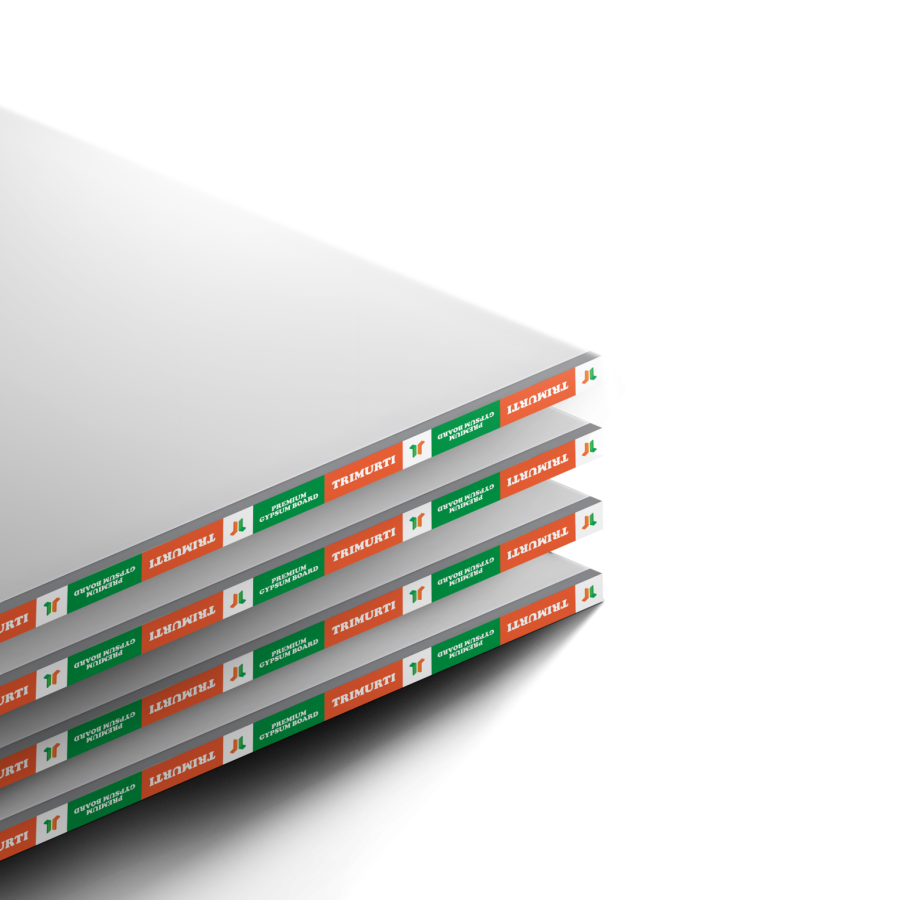
Gypsum board offers a smooth finish and flexible design options, supporting curves, layered levels, recessed lighting, floating sections, and concealed illumination.
Why choose gypsum?
- Creates a clean, continuous appearance.
- Offers excellent design flexibility.
- Works well with painting and decorative finishes.
- Suitable for bedrooms, living rooms, offices, and retail interiors.
- Allows lighting and other ceiling features to be integrated neatly.
Standard gypsum suits dry areas, while moisture-resistant boards work better in humid spaces; proper framing and installation help prevent cracks.
Mineral Fibre: Designed for Practical Performance
Mineral fibre tiles are commonly selected for offices, classrooms, commercial buildings, and other functional spaces where acoustic control and easy maintenance are important.
Key benefits:
- Helps reduce reverberation and improve acoustic comfort.
- Provides convenient access to electrical and mechanical services.
- Individual tiles can be removed or replaced when needed.
- Available in different textures and patterns.
Mineral fibre tiles improve acoustics, simplify maintenance access, support easy replacement, and offer varied textures for functional interiors.
Metal Ceilings: Durable and Easy to Maintain
Metal ceilings, including aluminium and steel systems, are worth considering for high-use areas where durability and cleanability matter.
Suitable for:
- Commercial buildings
- Corridors
- Institutional spaces
- Kitchens
- High-traffic interiors
Metal panels can be perforated, linear, patterned, or finished in different ways, offering both functional and contemporary design possibilities.
PVC and Other Options: When Maintenance Matters
PVC panels can be useful in selected areas where moisture resistance and easy cleaning are priorities.
Advantages include:
- Lightweight construction
- Simple maintenance
- Moisture-resistant characteristics
- Multiple colours and surface patterns
- Relatively straightforward installation
Before selecting PVC, assess fire performance, stability, quality, and compatibility. Wood adds warmth, while acoustic panels control sound. Consider moisture, maintenance, design, installation, budget, and long-term performance.
The Real Cost Is More Than the Purchase Price
When choosing a false ceiling manufacturer, look beyond the material’s price per square foot. The overall investment depends on several factors:
Key Cost Factors
- Material and installation: Consider panels, framing, finishing materials, and labour charges together.
- Design and maintenance: Complex designs and difficult service access can increase installation and future repair costs.
- Long-term value: A higher-quality system may offer better durability, easier maintenance, and lower replacement expenses.
A cheaper material is not always the most economical ceiling solution.
Match Material to Moisture, Acoustics and Fire Requirements
Environmental conditions should influence the specification from the beginning.
Moisture: Kitchens, bathrooms, basements, and areas with high humidity require careful material selection. Moisture-resistant products can be useful, but they do not compensate for leaks, condensation, or poor ventilation.
Acoustics: Open-plan offices, classrooms, meeting rooms, studios, and hospitality spaces may benefit from materials designed to control reverberation and unwanted sound.
Fire performance: Fire safety depends on the complete ceiling system, including certification, installation, regulations, and project requirements. Where necessary, choose appropriately tested systems specified for the intended application.
Lighting and Maintenance Should Shape the Design
A ceiling is also part of the building’s service infrastructure. Recessed lights, air-conditioning diffusers, smoke detectors, speakers, sensors, and wiring may all need access above it. A decorative ceiling that leaves no practical route for maintenance can become frustrating after installation. Consider removable access panels or modular systems wherever future servicing is likely.
Lighting deserves similar attention. A layered ceiling may look attractive in a showroom, but every additional recess, drop, and channel introduces construction work. Keep the design purposeful. Good ceiling design should direct light and hide services without turning installation into an engineering puzzle.
A Simple Way to Make the Final Decision
The best false ceiling material depends on the room’s specific needs. Gypsum suits dry bedrooms and decorative designs, while mineral fibre works well in offices requiring easy service access. Metal can suit high-use commercial areas where durability matters, whereas PVC or moisture-resistant boards may suit humid utility spaces. Consider moisture, design, maintenance, acoustics, access, and budget together instead of choosing solely by appearance or price.
Conclusion
Selecting a false ceiling requires balancing appearance, durability, maintenance, moisture resistance, acoustics, fire requirements, installation, and overall cost. The ideal false ceiling material should suit the room’s conditions, usage, and long-term performance needs rather than simply offering the lowest price. Considering these factors together helps homeowners, designers, and contractors make practical decisions. A knowledgeable Trimurti company can further assist buyers in evaluating suitable ceiling solutions and selecting products that align with their project’s functional and design requirements.
Trimurti operates in the construction-materials sector, with offerings that include ceiling-related products and gypsum solutions. They serve a range of construction and interior requirements and position their product portfolio around practical building applications. Their presence across multiple construction-material categories makes them a relevant supplier for projects requiring coordinated material sourcing.