

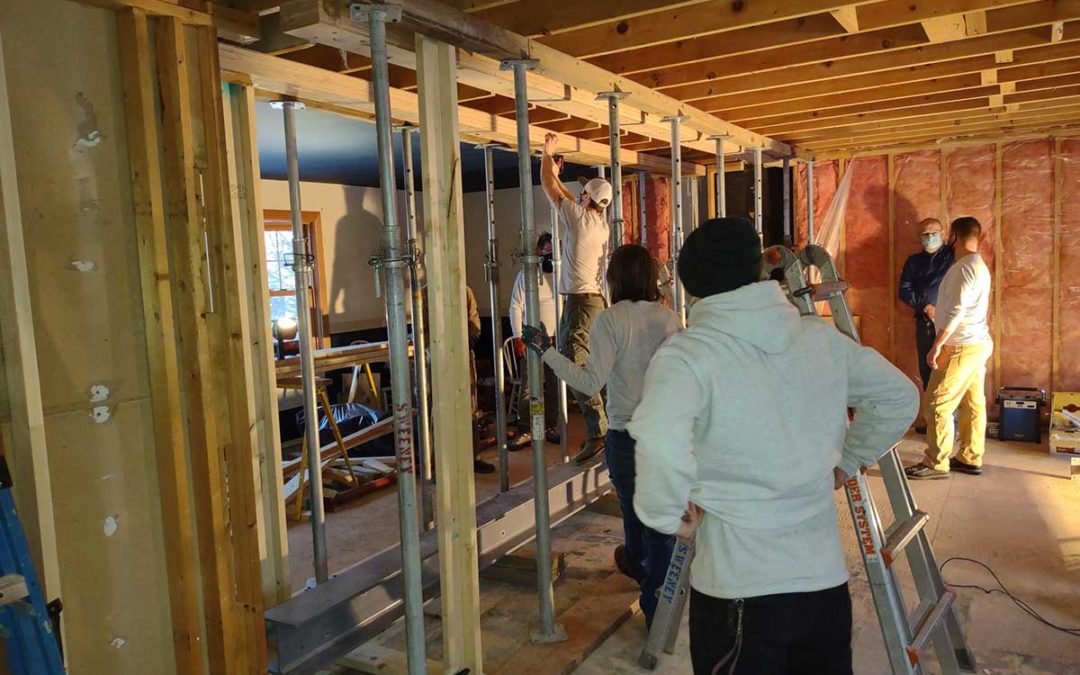
Start with a same-day space audit: measure square footage, map circulation pinch points, and list which rooms must grow. If you can reallocate space within the existing envelope by moving non-load-bearing walls while maintaining code-required egress, stair geometry, ventilation, and mechanical clearances, you should remodel. If those constraints still leave daily friction, you likely need an addition. Before sketching, confirm zoning, setbacks, height, lot coverage, easements, and utility capacity. Next, you’ll see how costs, timelines, and feasibility compare. Learn more about how a professional remodeling company can help below.
Remodel vs. Addition: How to Decide Fast
Need a quick way to choose between a remodel and an addition? Start with a same-day space audit: measure current square footage, map circulation pinch points, and list rooms that must gain area. If you can reallocate space within the existing envelope while maintaining required egress, stair geometry, and mechanical clearances, you’re likely leaning toward remodel vs. If your program needs new square footage, verify zoning limits, setbacks, height, lot coverage, and utility capacity before you sketch anything—those additional considerations decide feasibility fast. Next, check the structure: identify load paths, foundation type, and roof framing to price impacts early. Finally, align the schedule and disruption tolerance with your permitting path and inspection milestones, then request concept-level estimates from qualified pros.
Remodel vs. Addition: When a Remodel Is Enough
When is a remodel enough? It’s enough when your square footage works, but your layout doesn’t. Start with space planning: map circulation, storage, and sightlines, then reassign underused areas like oversized halls, formal rooms, or dead corners. If moving non-load-bearing walls, resizing openings, or reconfiguring kitchens and baths solves the functional issues, you’ll avoid the complexity of expanding the building envelope.
Stay code-compliant by confirming egress, stair geometry, ventilation, GFCI/AFCI protection, and required clearances before finalizing plans. Use innovative, high-performance upgrades—smart lighting, modular storage, heat-pump systems, and low-VOC finishes—to boost comfort without extra footprint. When budget constraints are real, a phased remodel with a tight scope delivers predictable costs and fewer schedule risks.
Remodel vs. Addition: When You Need More Space
A remodel can fix flow and storage, but it can’t create square footage you don’t already have. If you’re bumping into walls daily, it’s time to evaluate whether reconfiguring rooms still meets code, comfort, and future needs. Your remodel considerations should include structural limits, mechanical routing, and egress; when those constraints cap function, you’ll get more value by expanding.
- You feel constant friction—crowded mornings, noisy work calls, zero privacy.
- You need a new program: dedicated office, main-floor suite, or larger kitchen footprint.
- You want resilience: better daylight, smarter HVAC zones, and cleaner circulation.
Next, confirm the addition’s feasibility with a designer and engineer: concept options, structural tie-ins, and budget ranges. You’ll gain space without compromising performance.
Can Your Lot Allow a Home Addition?
Before you sketch a bigger footprint, confirm your lot can legally and practically take an addition. Start with zoning: setbacks, height limits, lot coverage, floor-area ratio, and any overlay districts or HOA rules. Verify easements, utilities, and right-of-way lines so you don’t build where access must remain. Next, test Lot feasibility on the ground: slope, drainage patterns, mature trees, and soil bearing capacity that could trigger the need for engineered foundations. Check fire and building code constraints, including separation from property lines, exterior wall ratings, and emergency access. Don’t forget stormwater requirements; many jurisdictions require on-site retention when you add roof area. If constraints stack up, a vertical addition or ADU-style strategy can mimic New build performance without expanding outward.
Remodel vs. Addition Costs, Timeline, and Resale ROI
How much space are you really buying for the dollars and disruption you’ll take on? Compare remodel costs against addition costs by mapping scope to permitting, inspections, and structural load paths. A remodel can finish faster when you’re reusing existing plumbing, HVAC, and rooflines, but hidden conditions can stretch timelines. An addition typically takes longer because you’re adding foundation, envelope, and utilities, yet the work zones can stay more isolated.
- You’ll feel relief when the schedule has contingencies, not wishful dates.
- You’ll sleep better when the budget includes code upgrades and temp living.
- You’ll smile at resale when the design adds functional square footage, not just finishes.
For ROI, prioritize flexible layouts, energy-smart assemblies, and documented permits.
Conclusion
You’ve weighed flow, square footage, and what your lot will allow—now comes the moment of truth. If a code-compliant remodel can fix circulation, storage, and function inside the existing footprint, you’ll save time, permits, and disruption. But if every room still feels tight, an addition may be the only way to meet your needs. Before you commit, compare costs, schedule, and resale ROI—then check setbacks and utilities. Your next step decides everything.


